

2027 Wildlife Photography Workshops & Walks
Saturday 16th Jan 2027, 10am - 4pm: Wildlife Photography Workshop Next Step - £90 (5 max)
Sunday 31st Jan 2027, 3.30pm - 5.30pm: Wildlife Photo Walk Wetlands Murmurations - £45 (5 max)
Saturday 13th Mar 2027, 10am - 4pm: Wildlife Photography Workshop Beginners - £90 (5 max)
Friday 30th Apr 2027, 6.30am - 9pm: Wildlife Photography Workshop Otter Trekking - £145 (4 max)
Sunday 9th May 2027, 4.30pm - 8.30pm: Wildlife Photo Walk Secret Moorland Wonder - £45 (5 max)
Friday 14th May 2027, 10am - 4pm: Wildlife Photography Workshop Next Step - £90 (5 max)
Monday 17th May 2027, 6.30pm - 9.30pm: Wildlife Photo Walk Wetlands Spring - £45 (4 max)
Sunday 13th Jun 2027, 7pm - 9.30pm: Wildlife Photo Walk Puffins Golden Hour - £45 (6 max)
Monday 14th Jun 2027, 10.30am - 9.30pm: Wildlife Photography Workshop Puffins Masterclass - £145 (5 max)
Saturday 26th Jun 2027, 11am - 10pm: Wildlife Photography Workshop Owls in the Wild - £145 (4 max)
Sunday 27th Jun 2027, 6.30pm - 10pm: Wildlife Photo Walk Wetlands Summer - £45 (4 max)
Saturday 10th Jul 2027, 7pm - 9.30pm: Wildlife Photo Walk Puffins Golden Hour - £45 (5 max)
Sunday 11th Jul 2027, 10.30am - 9.30pm: Wildlife Photography Workshop Puffins Masterclass - £145 (5 max)
Wednesday 14th Jul 2027, 10.30am - 6.30pm: Wildlife Photography Workshop Bees & Butterflies - £90 (6 max)
Monday 19th Jul 2027, 6.30pm - 9.30pm: Wildlife Photo Walk Swifts, Swallows & Martins - £45 (6 max)
Wednesday 22nd Sep 2027, 8.30am - 6pm: Wildlife Photography Workshop Kingfishers & Dippers in the Wild - £145 (4 max)
Monday 11th Oct 2027, 9.30am - 12.30pm: Wildlife Photo Walk Leaping Salmon - £45 (5 max)
Can’t make the date? Sold out? Why not book a private lesson/tour
Beginners’ Wildlife Photography Workshop

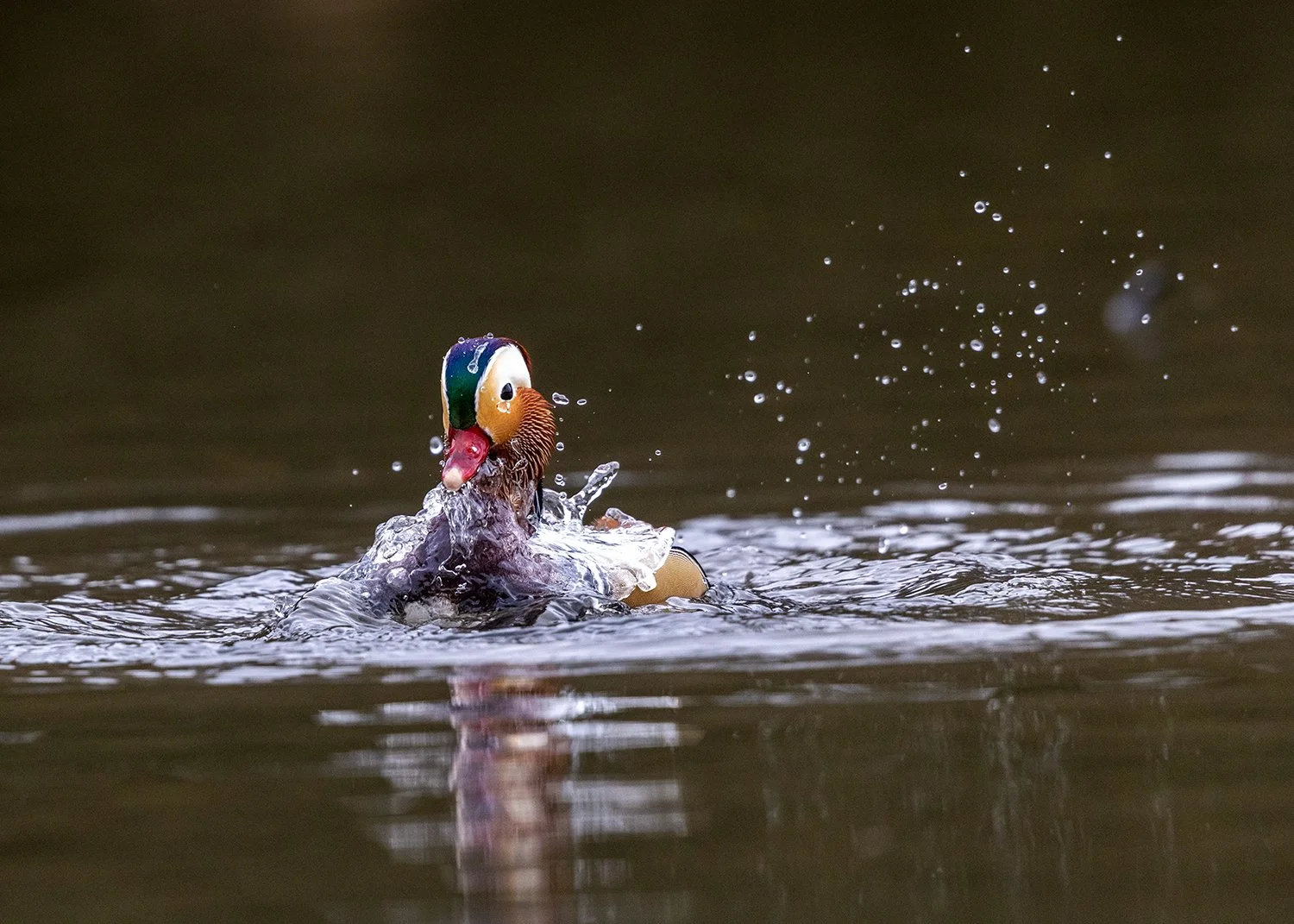


Skill Level: Beginners with digital camera and zoom lens ideal
Location: Burley in Wharfedale and local areas, West Yorkshire
Terrain: Good paths, muddy, uneven
Ever wanted to capture wildlife photos that leap off the screen instead of disappearing into the blur?
This workshop is designed for beginners who want to turn missed shots into memorable moments. With a maximum of just 4 people, you’ll get personal support every step of the way.
We’ll start in the studio with clear, practical demonstrations and simple explanations that cut through technical jargon. You’ll also have written guides and handy settings checklists to take away (emailed afterwards). Most importantly, you’ll spend plenty of time outdoors with your camera in hand, putting new skills into practice as we explore how to:
Choose the right camera settings for different wildlife encounters
Master autofocus for sharper, more reliable results
Use creative composition tricks to make your photos stand out
Whether you’re hoping to take better pictures of your garden birds or gearing up for a once-in-a-lifetime safari, this workshop will give you the tools, techniques, and confidence to capture wildlife at its best.
Otter Trekking & Photography Workshops


Skill Level: Beginners to Advanced
Location: Ilkley & surrounding areas
Terrain: Good paths, muddy, rocky and slippery in places
Building on the success of the otter trekking days, this extended day, from early morning until dusk, is designed to increase not only the scope for encountering these elusive mammals but also learning more about photographing them in their natural environment, unperturbed.
While there is never any guarantee that we will see any otters, we will be exploring the best locations for sightings and you’ll be walking away armed with new knowledge and skills to enjoy your own otter adventures in the future.
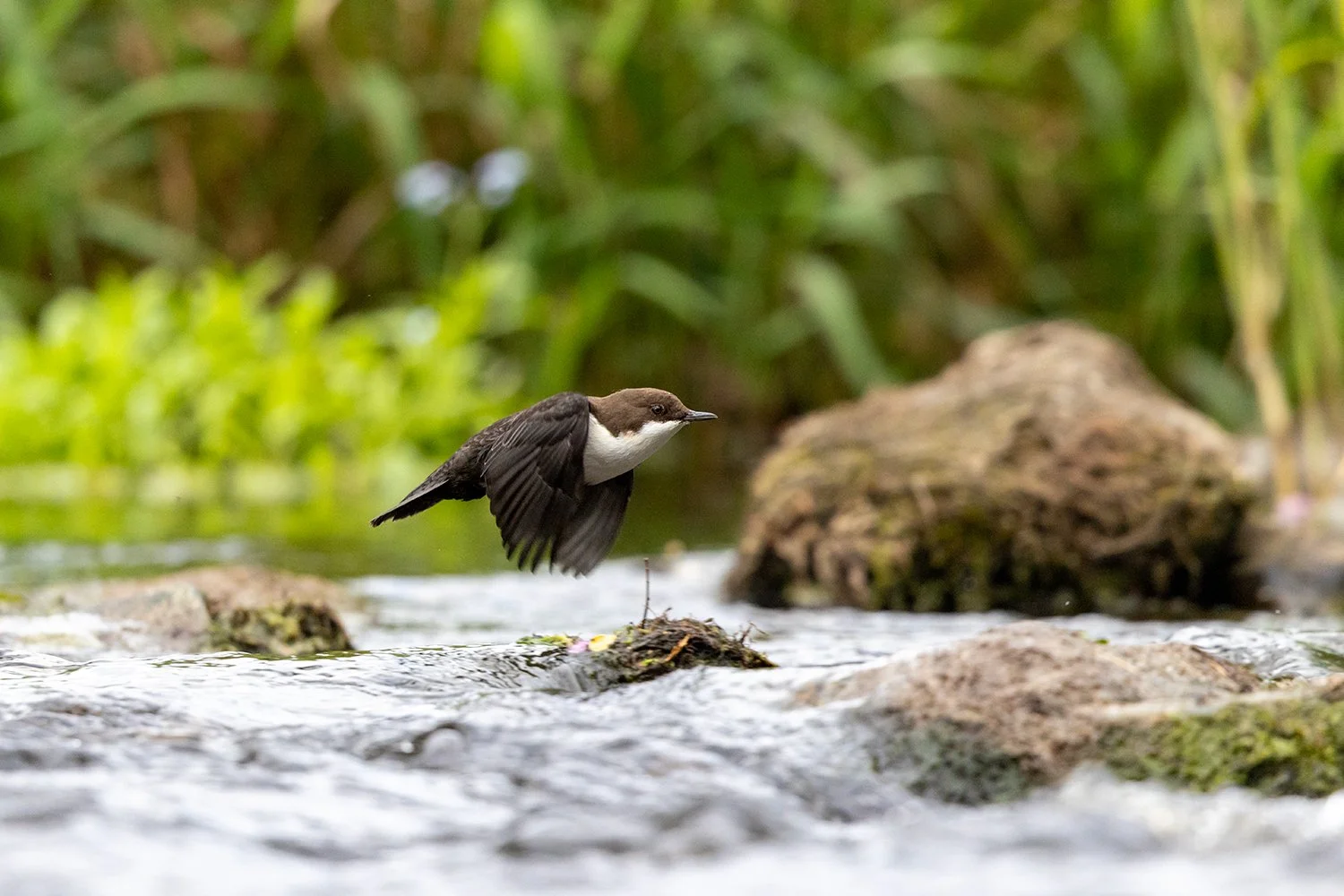
Of course there’s always plenty of other wildlife to be spotted and enjoyed too. Kingfishers and Dippers enjoy hunting and breeding along the banks of local stretches, while Mandarin, Goosander, little egrets, sand martins and much more provide endless entertainment.
Gain essential insights, key field-craft skills for spotting and watching otters responsibly
Learn in a practical environment with a small friendly group, led by award-winning professional photographer
Wildlife Photography Next Step Workshop


Skill Level: Intermediate to Advanced
Location: Burley in Wharfedale and local areas, West Yorkshire
Terrain: Good paths, muddy, uneven with inclines
Ready to take your wildlife photography beyond the basics?
This workshop is designed for those who already have a basic grasp of camera settings and want to push their skills further. With a maximum of just 6 participants, you’ll benefit from personalised guidance as we dive deeper into the art and technique of wildlife photography.
We’ll begin in the studio with advanced demonstrations, providing clear explanations of complex settings and concepts. You’ll also receive written guides and setting checklists to refer back to. Most importantly, you’ll spend plenty of time outdoors, practicing new techniques in real wildlife scenarios.
On the day, you’ll learn how to:
Master advanced lighting and exposure techniques for every lighting situation
Unlock the full potential of your camera and autofocus systems
Refine your compositions for greater impact and storytelling
Apply advanced field techniques for capturing better wildlife moments
Advanced camera settings & controls, expert focussing techniques, lighting & composition secrets masterclass, creating award winning wildlife images and developing meaningful wildlife projects. Whether you’re looking to elevate your photos of local wildlife or preparing for epic wildlife adventures, this workshop will give you the deeper knowledge and sharper skills to capture professional-quality results.
Wetland Photo Walks


Skill Level: Beginners with digital camera and zoom lens ideal
Location: Leeds or Ripon areas
Terrain: Good paths, muddy, uneven with inclines
Looking for a chance to sharpen your wildlife photography skills in the field, guided by an experienced, award-winning eye?
The Wetlands Photo Walks are designed to give you hands-on practice in dynamic, ever-changing wild environments. Limited to just 5 participants, each walk offers a supportive, small-group experience where you’ll learn by doing – with me on hand to share demonstrations, tips, and feedback in real time.
Wetlands are true hotspots for wildlife throughout the year. They attract a dazzling variety of birds and often surprise us with rare or unexpected visitors. From frosty winter sunrises alive with wildfowl, to golden-hour raptor hunts, to the breathtaking spectacle of starling murmurations, every walk is different – and that’s the joy of it.
Whether you’re new to wildlife photography or eager to build confidence in the field, these walks are the perfect way to practice camera settings, autofocus, and composition in real-world situations, while capturing unforgettable moments in nature.
Winter Wetlands Sunrise (near Leeds)
What could be more magical than greeting the sunrise over a frozen wetland, camera in hand?
On this small-group photo walk (5 max), we’ll step into the stillness of a crisp winter morning, learning how to work with changing conditions. Alongside practical tips and demonstrations, you’ll have plenty of time to practise and refine your own shots, with my guidance and feedback throughout.
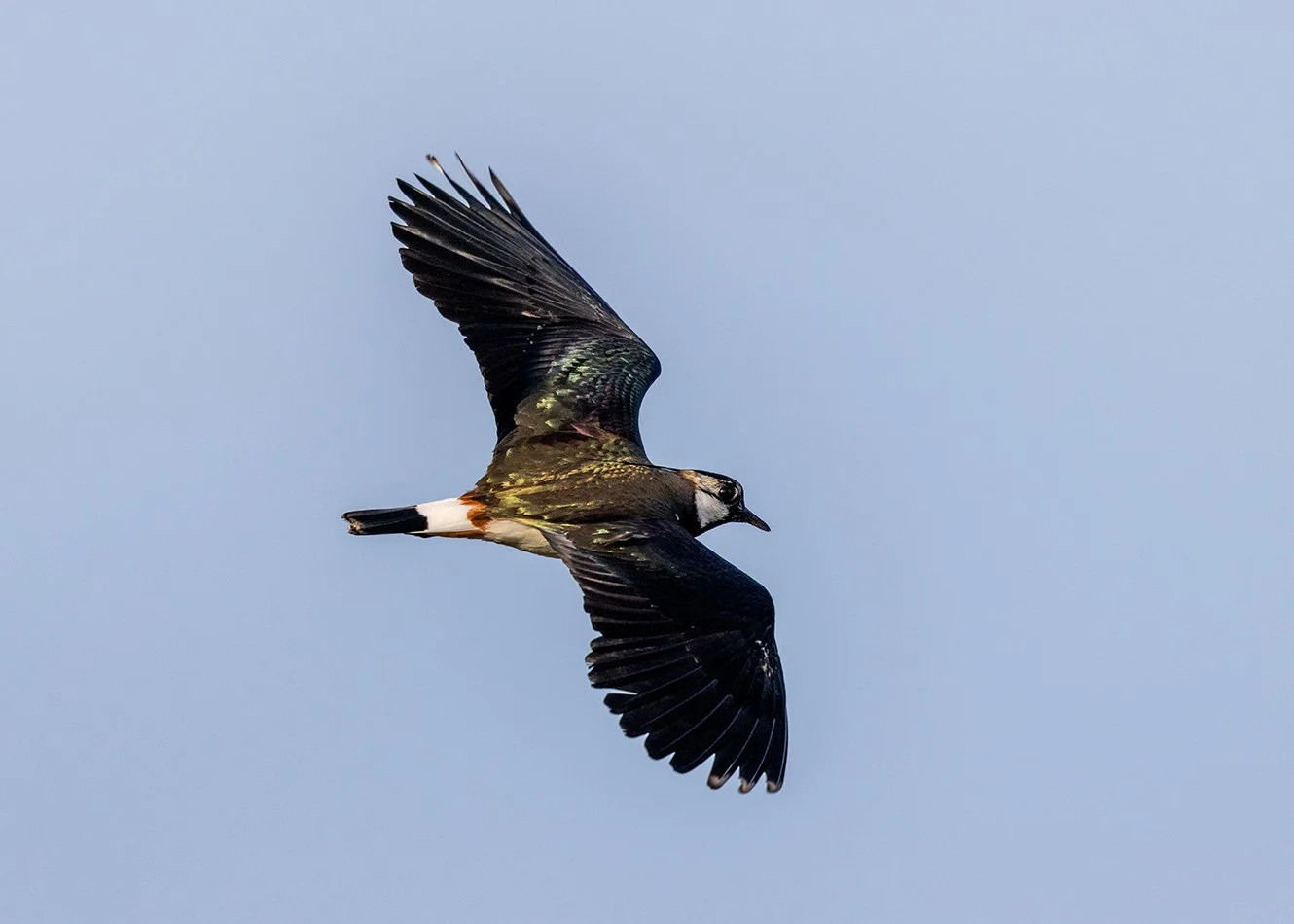
Winter flocks of lapwing, curlew, wigeon and teal often take centre stage, while kingfishers can be bolder with fewer fishing spots available. Goldeneye, grebes and even elusive snipe may also appear – their shapes reflected in the still, pristine waters. You’ll leave with stronger skills for capturing wildlife in the early light, and unforgettable photos from one of the most atmospheric times of year.
Wetlands Murmurations (near Ripon)
Ever seen tens of thousands of starlings move as one? If you have you’ll know how magical it is to experience
This evening photo walk (5 max) takes us into the wetlands ahead of golden hour, where you’ll get hands-on support with exposure, composition and autofocus to catch both fleeting details and wide, dramatic scenes. I’ll share my own responses to the changing light and wildlife activity, giving you real-time inspiration for your own shots.
We’ll look out for seasonal highlights such as goldeneye, egrets, swans and barn owls as daylight fades – before keeping our fingers crossed for a spectacular starling murmuration at dusk. A truly unforgettable chance to practise your photography in a living, moving canvas of sky and wings.
Wetlands Golden Hour (near Leeds)
Golden light, abundant life, and endless photo opportunities – wetlands in late summer are alive with drama.
In this small-group walk (5 max), we’ll explore the wetlands as the breeding season draws to a close. I’ll be on hand to demonstrate in-the-moment approaches to lighting and framing, while you get plenty of practice capturing both the beauty and the action of this bustling season.
Expect thousands of ground-nesting birds and their young, bitterns booming in the reeds, young grebe families on the water, and raptors like kestrels, peregrines, marsh harriers and owls all taking advantage of the abundance. It’s also the time when juvenile starlings gather in huge flocks – creating surprise midsummer murmurations to end the day in style.
Yorkshire Coast Puffins, Gannets & More…


Skill Level: Beginners to advanced, all cameras welcome
Location: Yorkshire Coast, Flamborough & Bempton areas
Terrain: Muddy, uneven paths with inclines
Few wildlife encounters are as unforgettable as standing on the cliffs in summer, watching puffins return to their burrows with beaks full of sand eels.
Our Summer Yorkshire Coast Puffin workshops give you the chance to capture these charming seabirds at their most photogenic, while also experiencing the drama and richness of one of Britain’s most spectacular coastal environments.
Working in small groups, I’ll guide you through the camera settings, techniques and creative approaches that bring your images to life. Alongside puffins, you’ll encounter the sheer spectacle of the gannet colony – the largest on mainland Britain – as well as razorbills, guillemots, kittiwakes and fulmars clinging to the cliffs. Away from the ledges, peregrines and barn owls hunt, brown hares dart across the fields, and roe deer sometimes emerge at the edges of the meadows.
Whether you choose the atmospheric Golden Hour Photo Walk or the more in-depth Secrets of the Seabird Coast full-day workshop, you’ll enjoy expert support, plenty of hands-on practice, and the thrill of photographing Britain’s coastal wildlife at its very best.
Leaping Salmon in the Yorkshire Dales
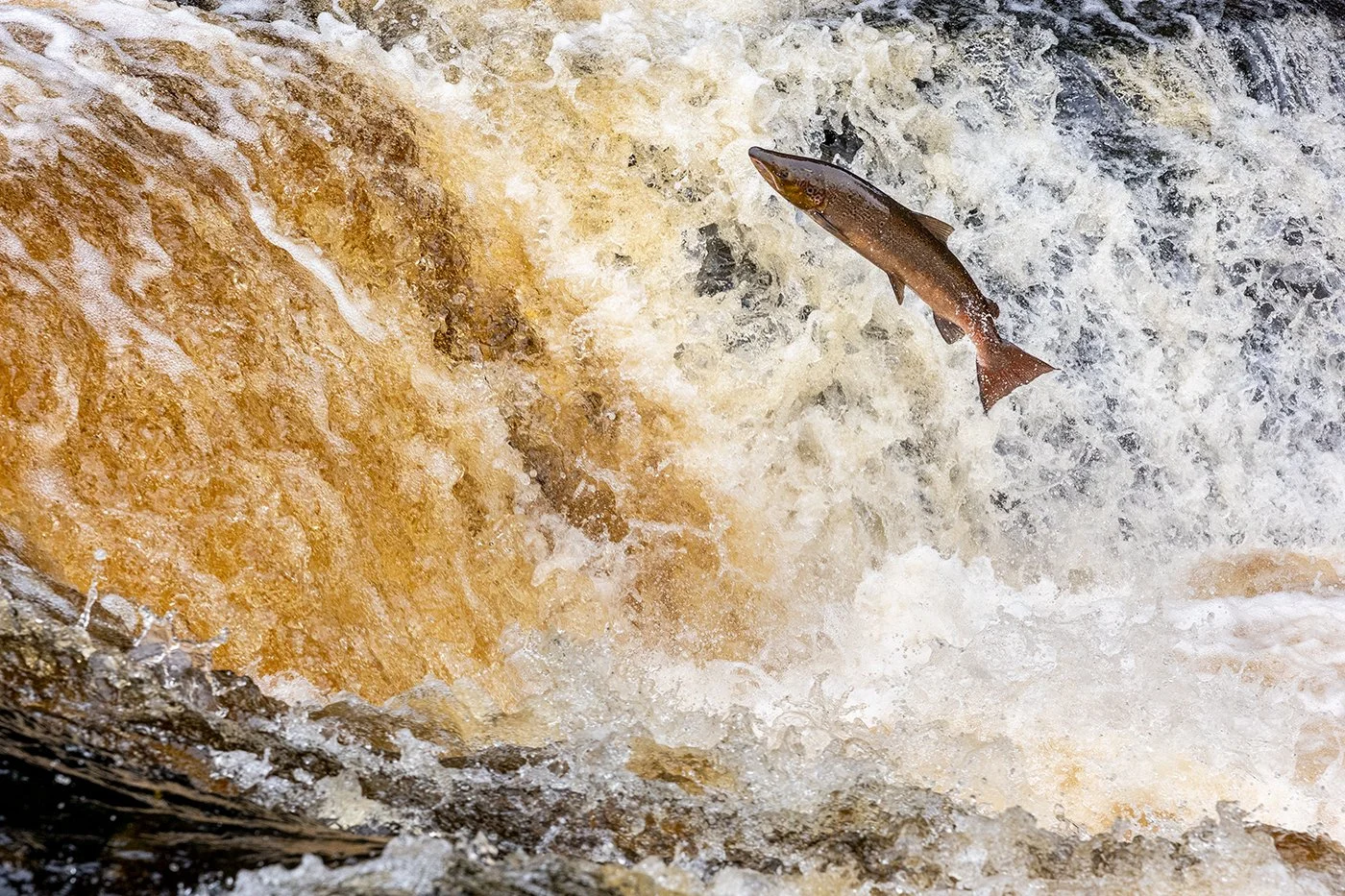
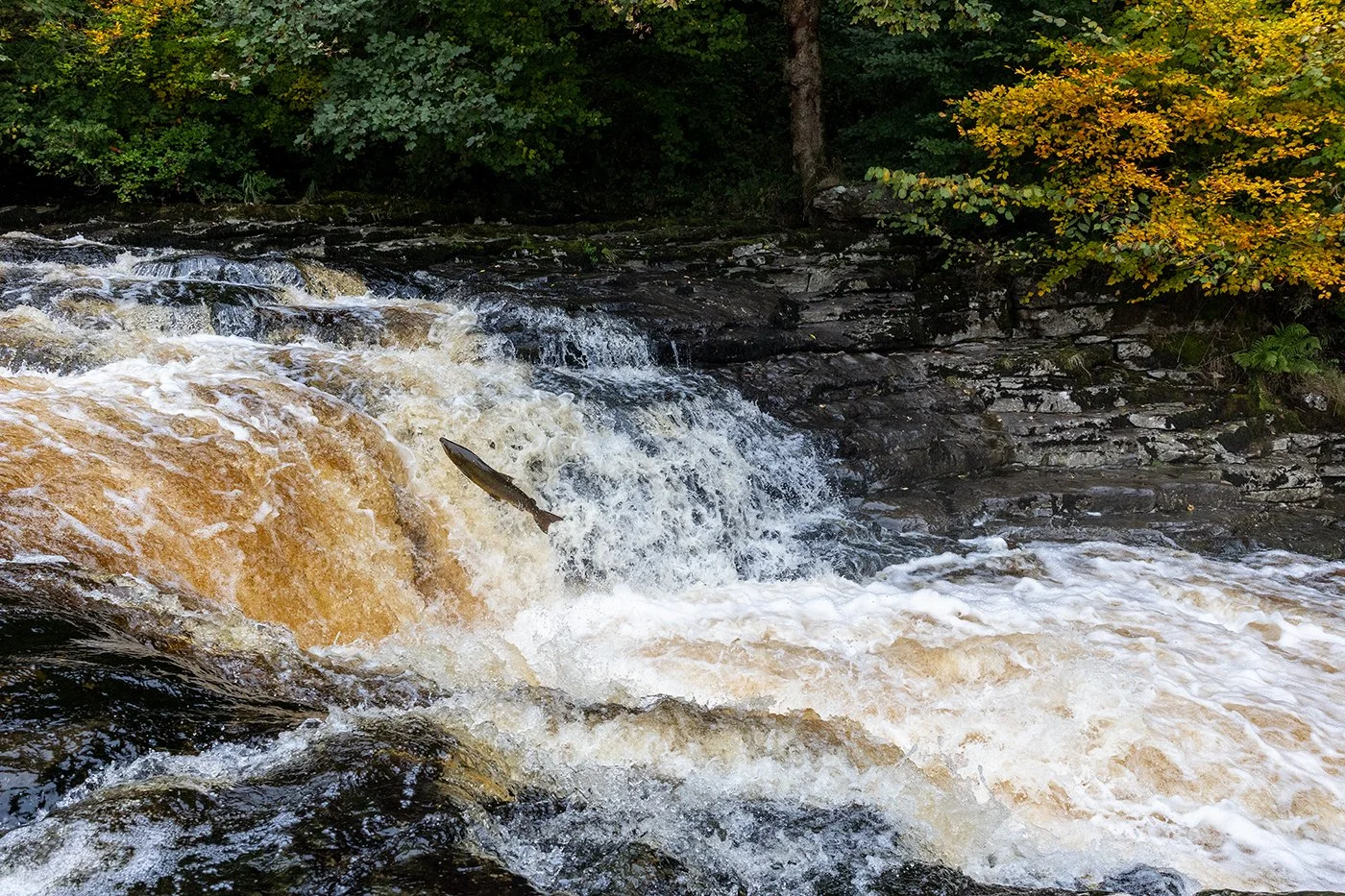
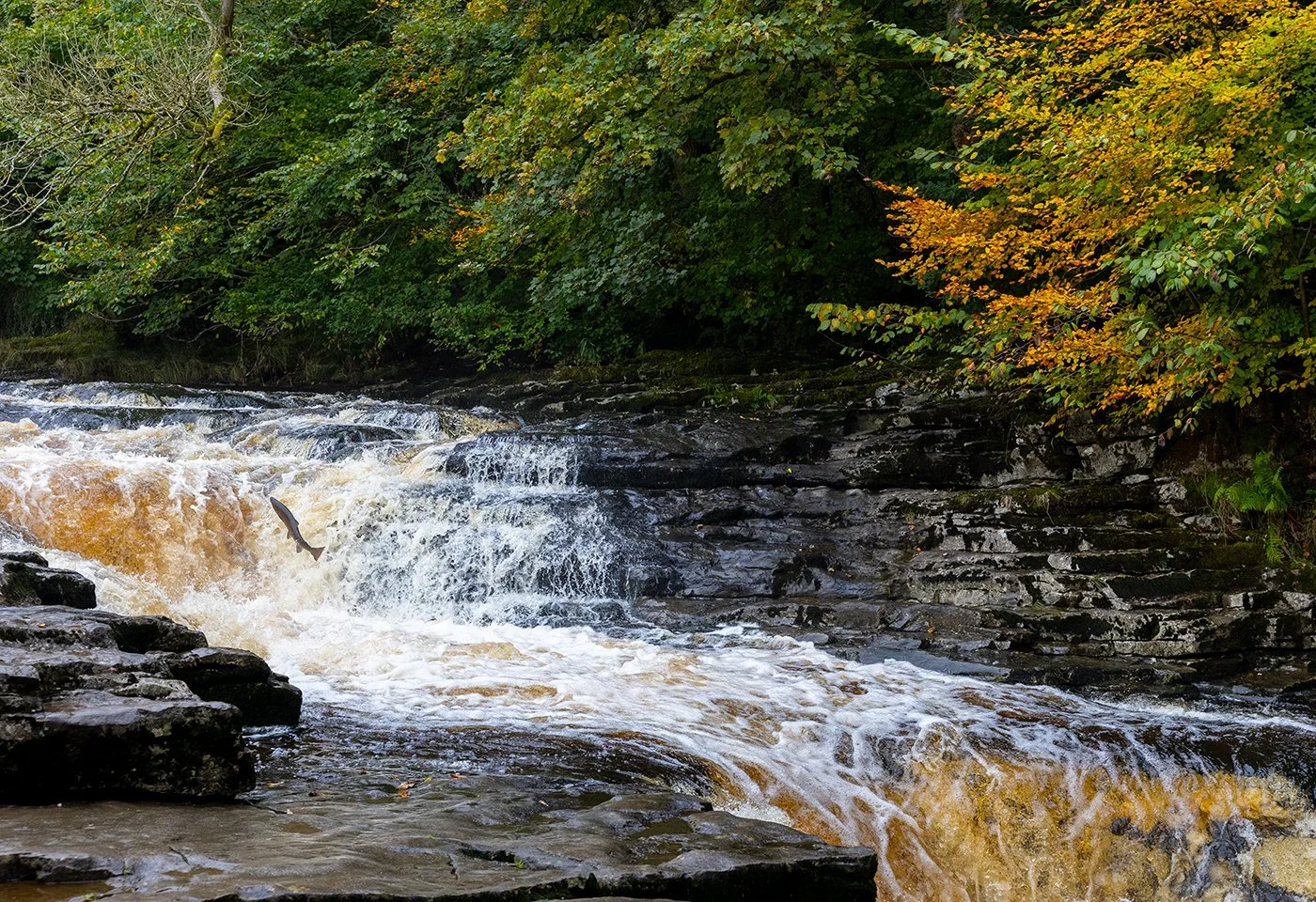
Skill Level: Beginners to Advanced Photographers with DSLR or Mirrorless Cameras
Location: Settle, Yorkshire Dales
Terrain: 10 minute walk with steep road incline, muddy, slippery rocky surfaces
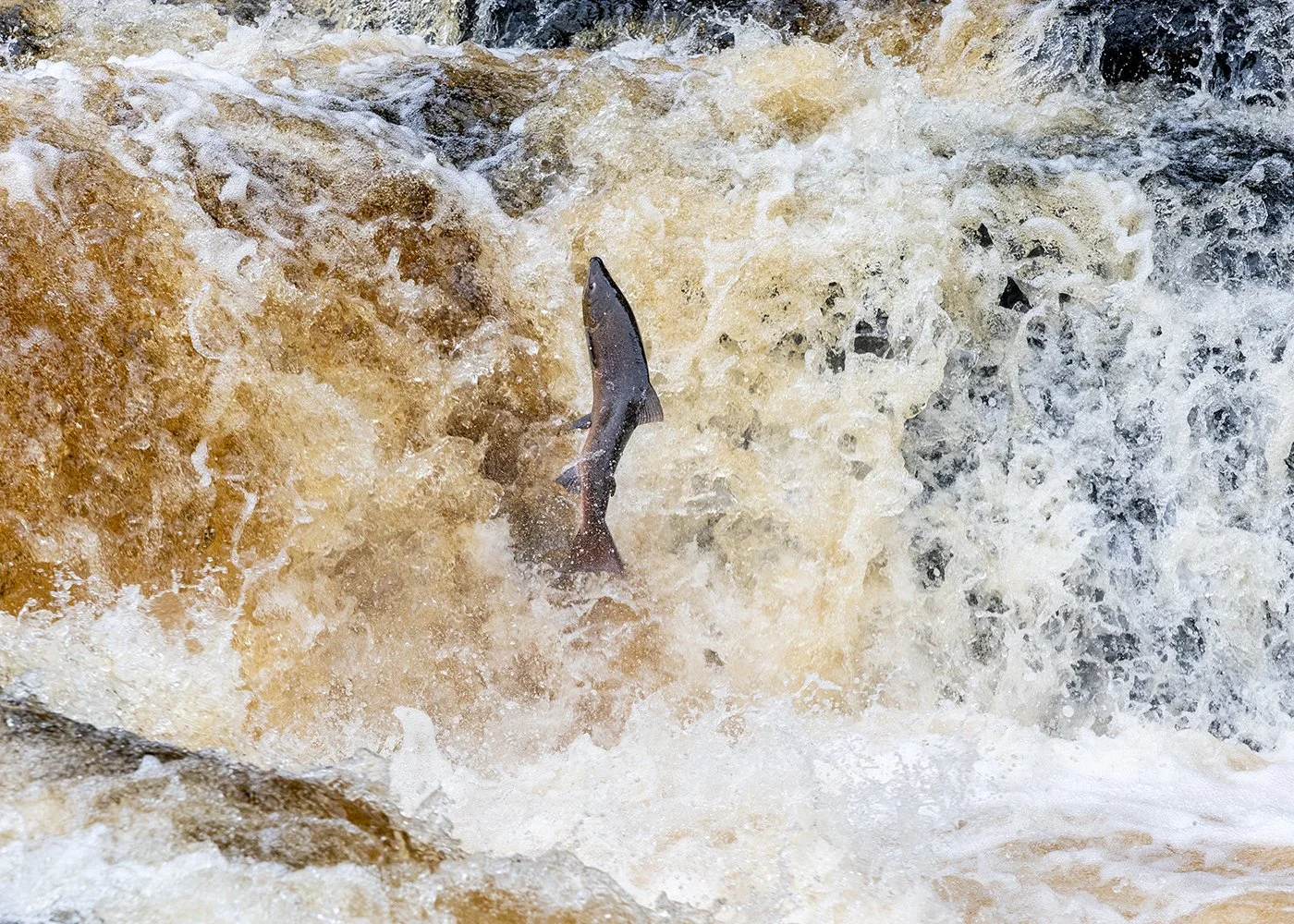
There’s nothing quite like it! The roar of the falls, the crisp air, then a flash of silver as a salmon throws itself out of the fizzing water! Cathcing the perfect moment when it’s over in a second is no mean feat. This short, relaxed session is about preparing you and getting you ready for that second, so you walk away with a shot you’re proud of.
Having been visiting this site for nearly 10 years, AND having a Highly Commended photo in the British Wildlife Photography Awards and publication (2024), Rich Bunce (Walking Photographer) has all the experience to help you with settings, tips and ideas to get the best from the morning.
You will learn:
My “go-to” settings for freezing a fish mid-air: a fast shutter speed (how briefly the camera lets light in; the faster, the sharper the fish), burst mode (a rapid run of shots while you hold the button; most camera phones have one too) and where to set your focus before a fish appears.
How to read the falls and the flow to anticipate the next leap, so your timing becomes instinct rather than luck.
Composition for action: where to place the fish in the frame and how to use the white water and the shape of the falls to turn a record shot into one worth printing.
You will get to:
Practise the waiting game with my one-to-one feedback: focus set, finger ready, fire the moment a fish breaks the surface.
Watch live demonstrations of how I pick my spot, set up and time the shot.
An useful e-book to help remind and guide you for future outings
Swifts, Swallows & Martins - In flight
Skill Level: Beginners to Advanced Photographers with DSLR or Mirrorless Cameras
Location: Ilkley
Terrain: Good paths, muddy and uneven tracks in places
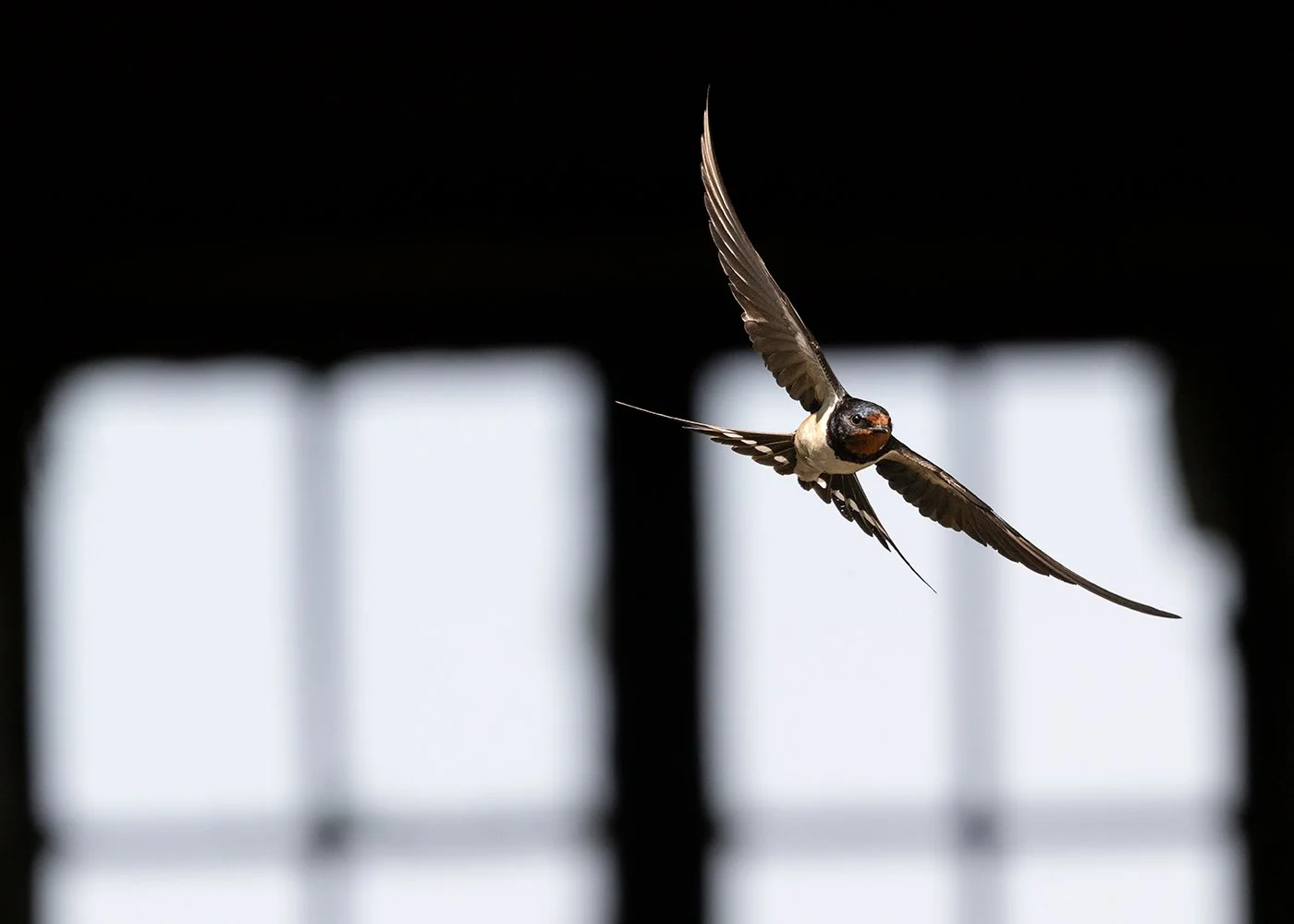
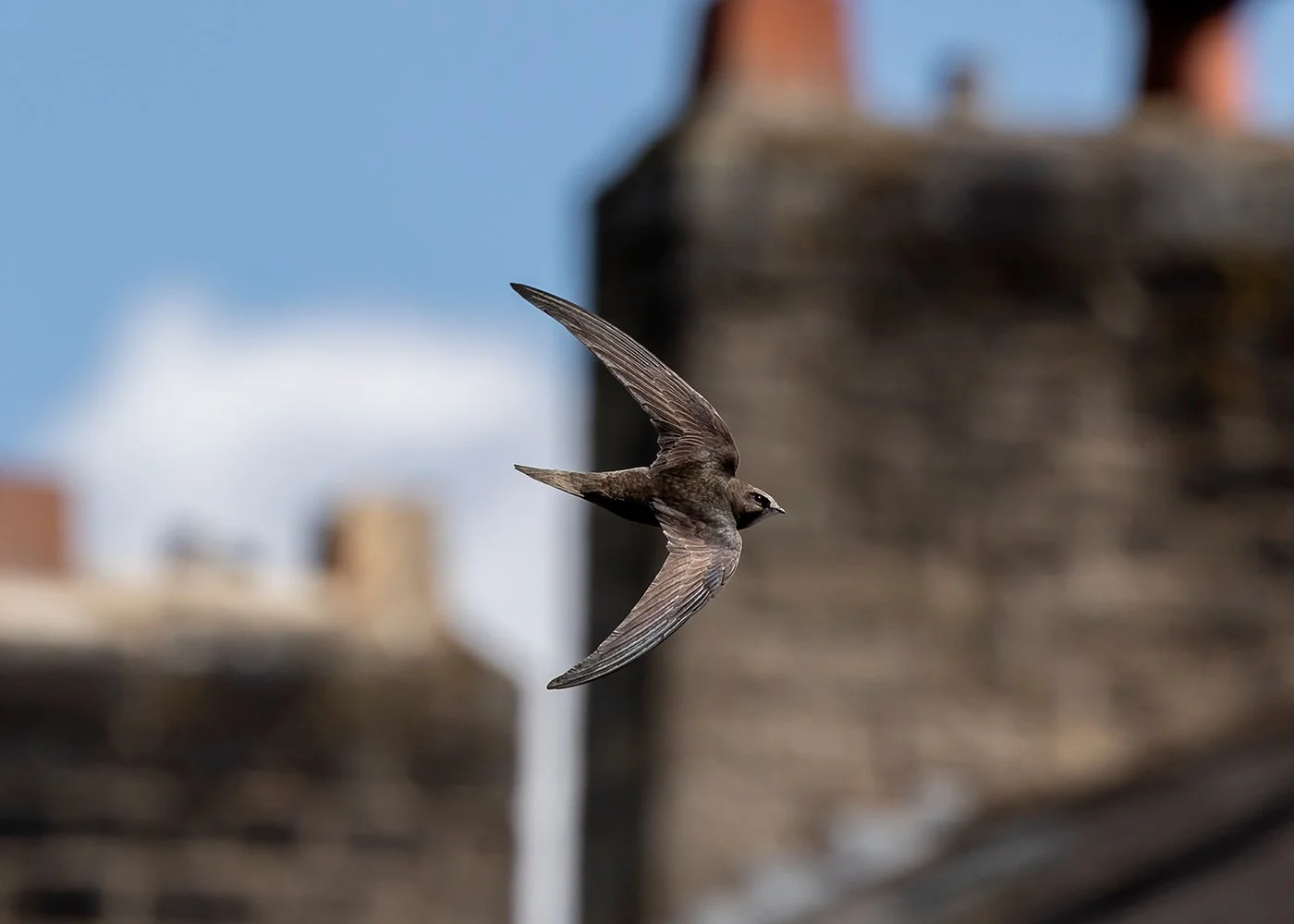
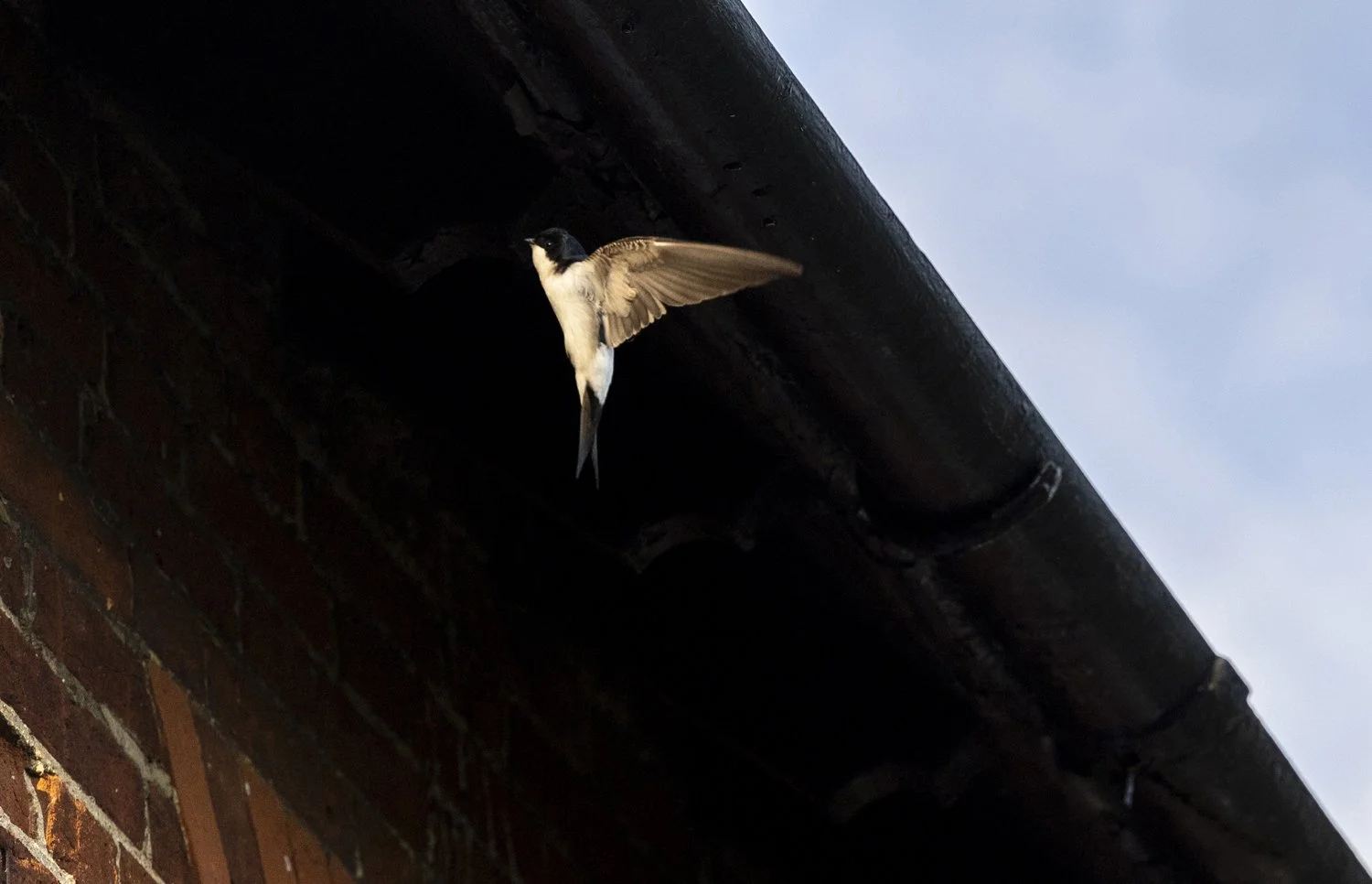
Do you know your swifts from your swallows and your martins? Many people don’t, and fewer still have a sharp photo of one. They’re fast, and all too often the result is an empty blue frame or a dark smudge where the bird was. By the end of this evening you’ll know all four (swift, swallow, house martin and sand martin) and have the settings to photograph them doing what they do best.
This one goes beyond the record shot. We’re after behaviour: swifts screaming past in their evening parties, swallows on the wing, martins hawking insects over the water as the light turns gold. The swifts only have a few weeks left before they head back to Africa, so this is the last chance of the year to catch them.
You will learn:
How to tell the four apart in a blink: the swift’s scythe-shaped wings and scream, the swallow’s long tail streamers and red throat, the house martin’s white rump and the sand martin’s brown chest band.
My (fast) birds-in-flight settings
How to read the sky and predict flight lines, so you’re pointing the camera where the bird is about to be rather than where it was.
You will get to:
Practise tracking and panning (following the bird smoothly with the camera as you shoot) with my one-to-one feedback.
Push it further: silhouettes against the evening sky, a slower shutter speed for a deliberate blur that shows the speed, and wide shots that put the birds in their landscape. A camera phone can manage the last two.
E-Guide handout so you can reflect and revisit for future adventures with this iconic birds.
My goal isn’t just to help you tell a swift from a swallow. It’s to give you the eye, settings and confidence to photograph fast birds doing interesting things, wherever you are, with an illustrated e-guide afterwards so it all sticks long after the swifts have gone. I can’t promise low passes (that’s down to the weather and the insects), so bring a flask and some midge repellent: whatever brings the birds down will take an interest in you too.
Owls in the Wild


Skill Level: Beginners to Advanced Photographers with DSLR or Mirrorless Cameras
Location: Burley in Wharfedale Studio & Various West/North Yorkshire locations
Terrain: Well pathed, muddy, slippery and uneven paths with some inclines.
Photographing wild owls is one of the most rewarding achievements in wildlife photography. They are master hunters, active in challenging light, and rightly protected. A truly great wild owl photograph isn't just about luck; it's a hard-earned reward built on deep fieldcraft and profound respect for the subject.
Finding and photographing wild owls, ethically, is the ultimate challenge. This full-day, small-group workshop (late morning until dusk) is designed to give you the deep fieldcraft and technical skills to plan your own rewarding encounters with British owls that are ethical and sensitive to these iconic birds. We will blend in-depth classroom learning with practical fieldwork to cover the habits and habitats of the five UK owl species (Barn, Little, Tawny, Short-eared, and Long-eared). This is a hands-on course blending practical fieldwork with essential classroom theory.
You will learn to:
Think like an owl-watcher: Understand the specific habitats, prey, and behaviours of all 5 species.
Master the ethics: Learn the vital fieldcraft for sensitive, respectful encounters that put the bird's welfare first.
Prep your gear: Master the low-light camera settings, auto-focus modes, and silent-shooting techniques essential for success.
You will get to:
Explore real habitats: Put theory into action with me as your guide, scanning for field signs and likely roosts.
Practice your technique: Get one-on-one coaching on composition, exposure, and photography in the field.
My goal isn't just to help you get a lucky shot. It's to give you the skills and confidence to find, understand, and respectfully photograph wild owls for years to come.
Get in touch for a full itinerary.
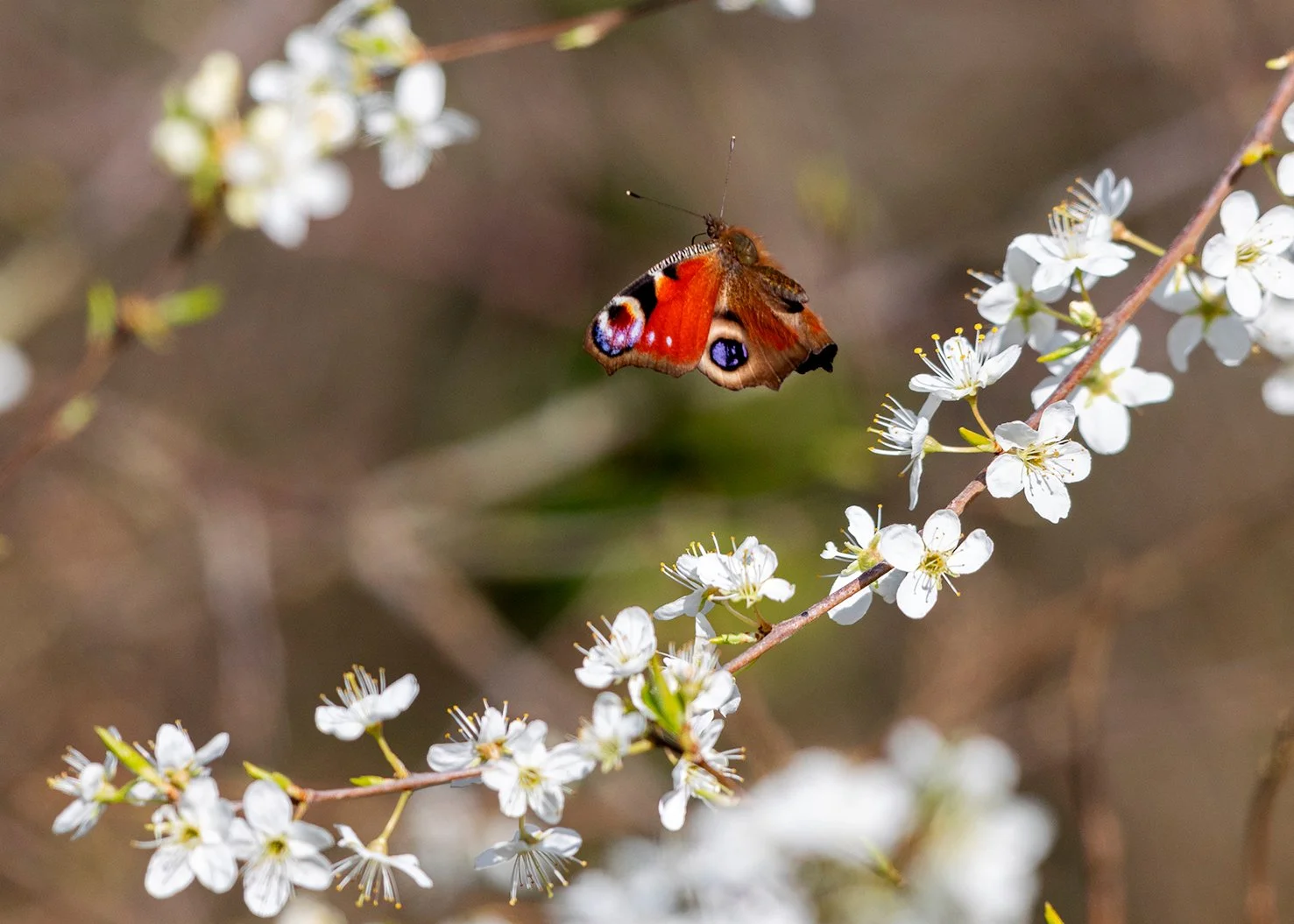
Butterflies & Bees, Stunning & In Flight



Skill Level: Beginners to Advanced Photographers with Compact, DSLR or Mirrorless Cameras
Location: Burley in Wharfedale
Terrain: Well pathed, muddy, slippery and uneven paths with some inclines.
Want to take more stunning photos of bees and butterflies? Capturing sharp, dynamic images of insects in motion is notoriously tricky, this immersive, small-group workshop offers a practical guide for better insect portraits and in flight shots.
It's a practical, hands-on session where I'll personally guide you through the fieldcraft secrets and camera settings needed to capture unique shots, fast-moving wings and nail critical focus.
We will focus on real-world application, not just theory. You will:
Get significant time behind the lens with one-to-one coaching.
Watch live demos of tracking techniques and setup.
We will discuss the why behind every choice—from anticipating behaviour to adapting your settings for changing light.
Take home key checklists and notes to ensure the skills stick.
My goal isn't just to help you get a good shot during the workshop; it's to give you the technical skills and fieldcraft knowledge to replicate your success time and time again.
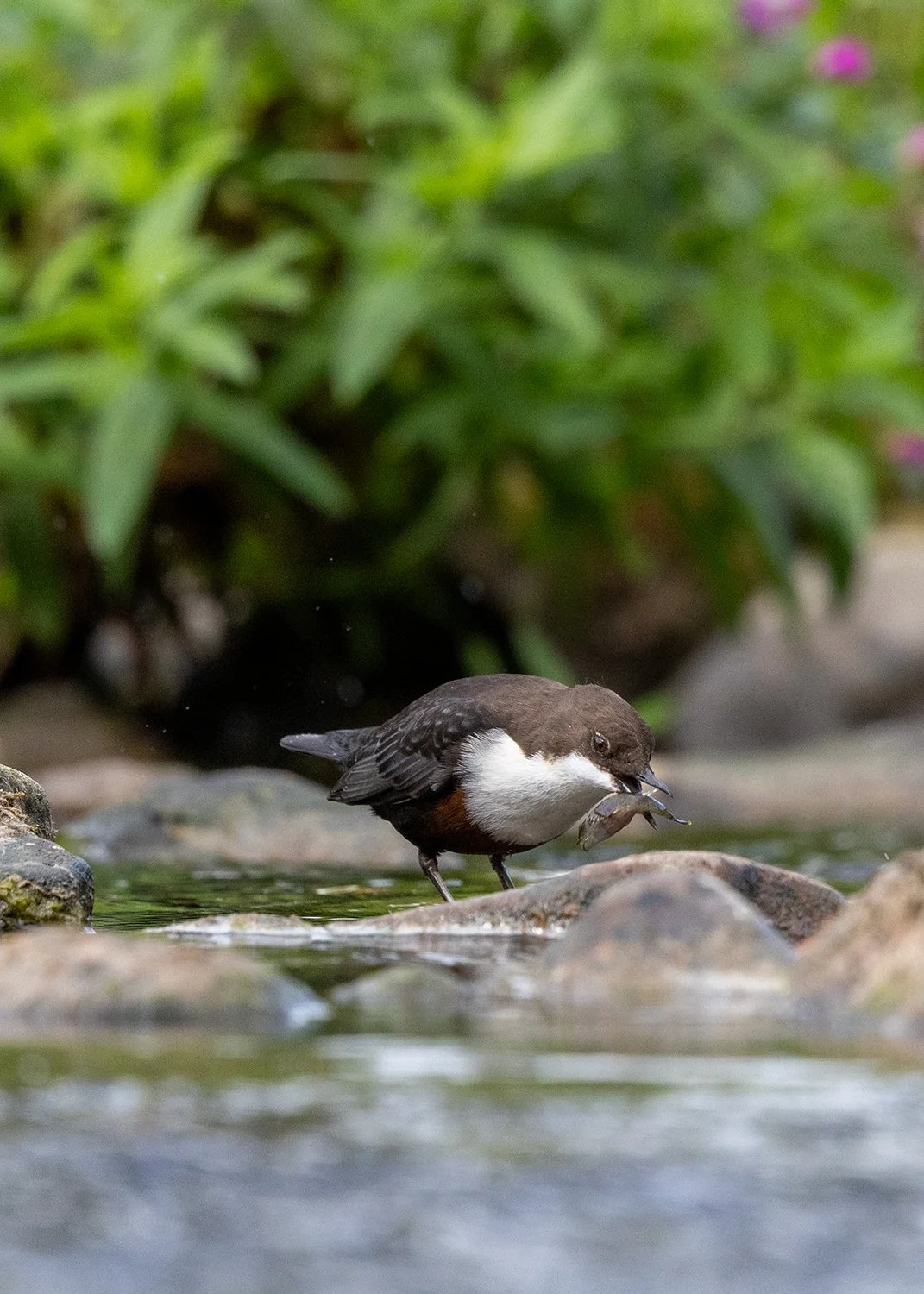
Kingfishers & Dippers in the Wild




Skill Level: Beginners to Advanced Photographers with DSLR or Mirrorless Cameras (longer lenses ideal)
Location: Ilkley and/or Surrounding Areas
Terrain: Potentially muddy, slippery and uneven paths
Have you ever wanted to find and photograph kingfishers and dippers, not just from a hide, but by understanding their world? This workshop is designed to do exactly that.
Timed with their peak activity on our local waters, this small-group experience moves beyond static setups. The goal is to give you the skills for a lifetime of meaningful encounters, empowering you to find these stunning birds for yourself on future explorations.
We cater to every learning style to ensure you get the most from our time together:
You will see demonstrations of how to read the river, spot subtle field signs, and observe the birds' behaviour firsthand.
We’ll discuss key strategies, listen for the birds' distinct calls as I share my proven tips and secrets.
We'll break down the "why" behind specific camera settings and fieldcraft techniques, helping you build a solid framework of knowledge (and I’ll share some of my top tips in an illustrated handout afterwards!).
This is a hands-on workshop. You will be actively doing—walking the riverbank, practicing your fieldcraft skills, and applying advanced camera techniques in real-world scenarios.
Under my guidance, you'll gain a deep, long-lasting insight into the lives of these iconic birds.
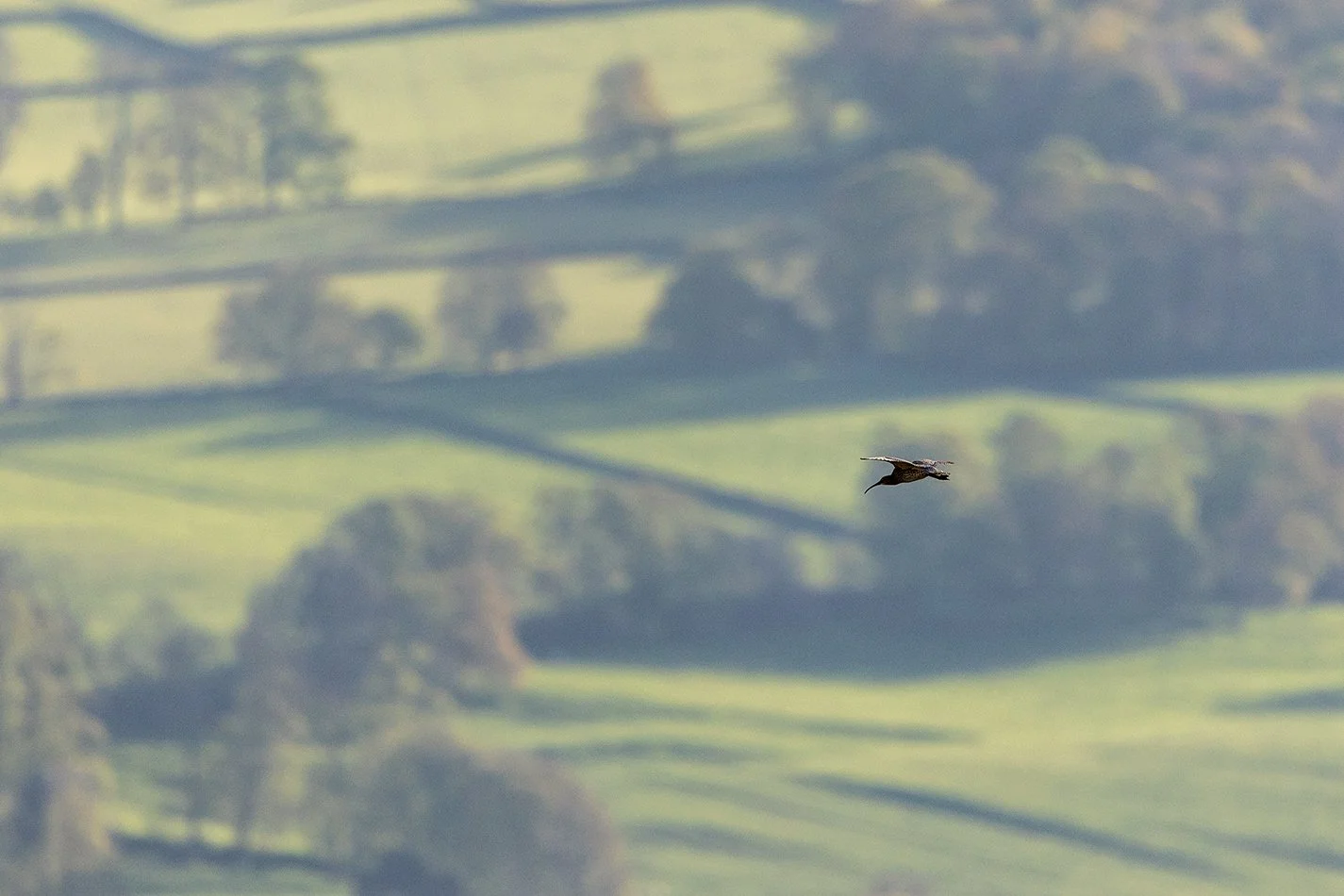
Secret Moorland Wonder: Curlews, Grouse, Raptors, & Golden Hour
Skill Level: Beginners to Advanced, any camera welcome (a zoom lens is ideal for the birds)
Location: Rombalds Moor
Terrain: moorland tracks and paths, uneven and boggy in places, some inclines
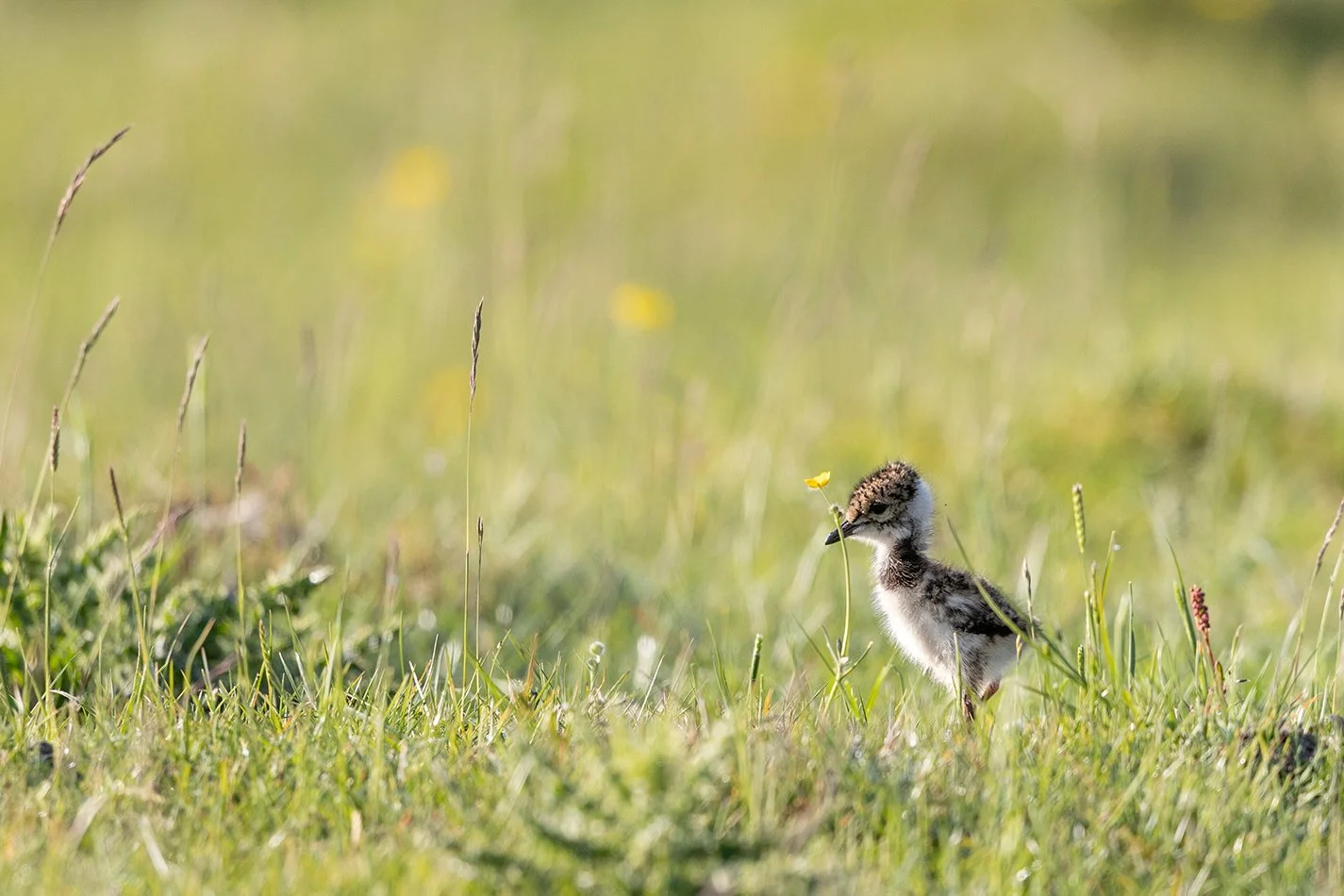
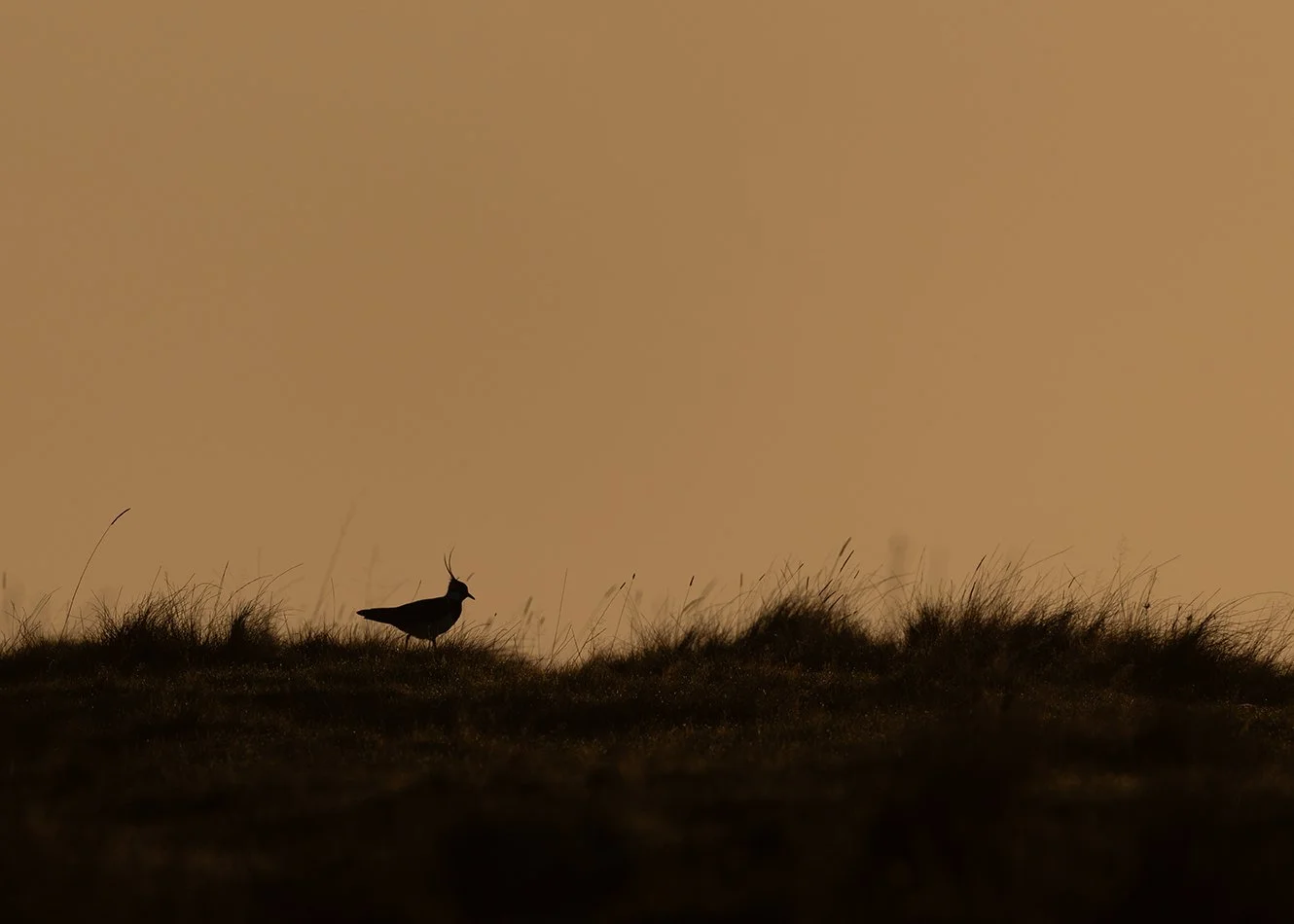
A spring evening on the moor is full of sound: curlews bubbling overhead, lapwings calling “peewit” as they tumble across the sky and cuckoos getting mobbed by meadow pipits. Finding them is half the fun. Photographing them is the other half. This small-group photo walk (5 max) aims to help you bring home pictures that do the evening justice.
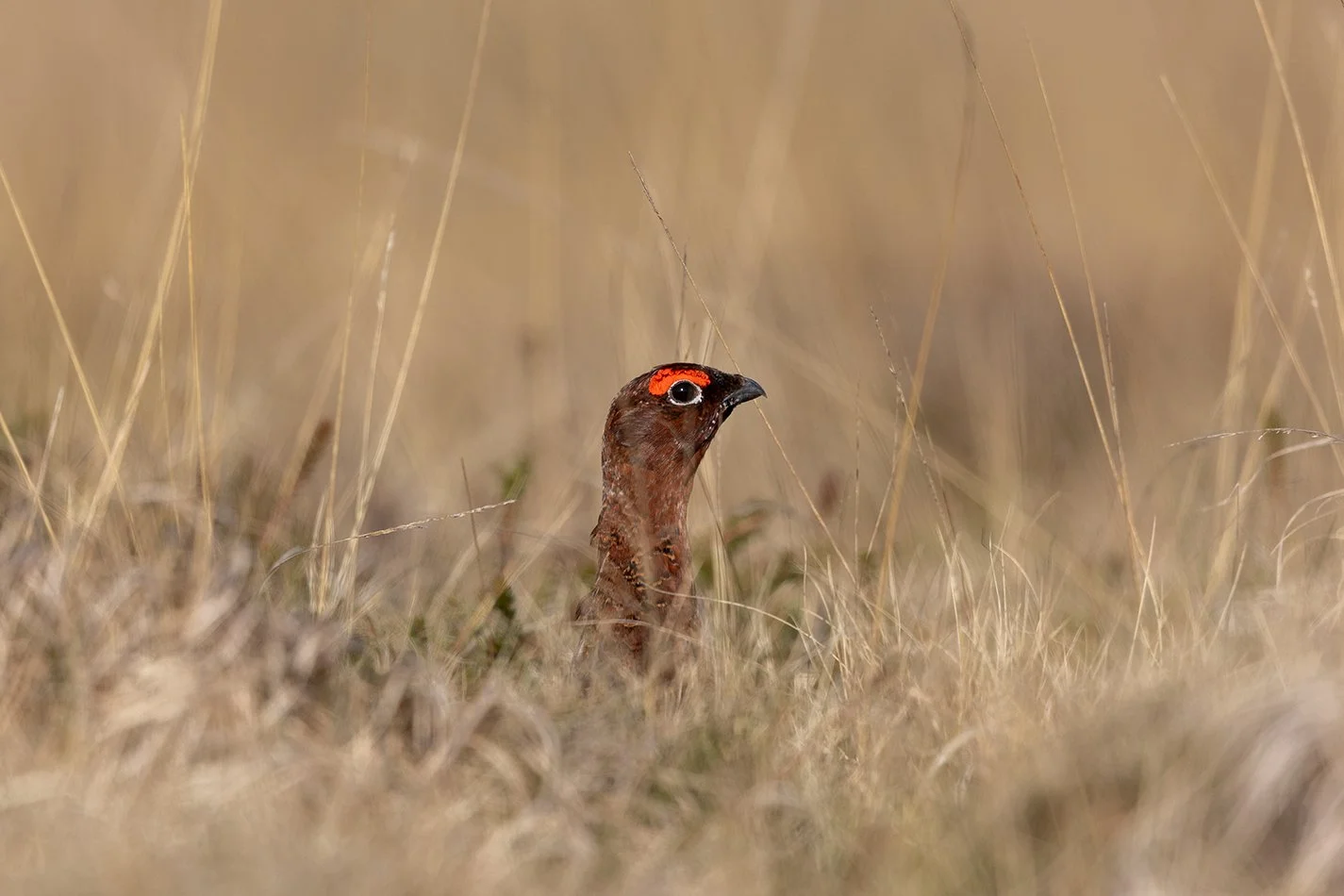
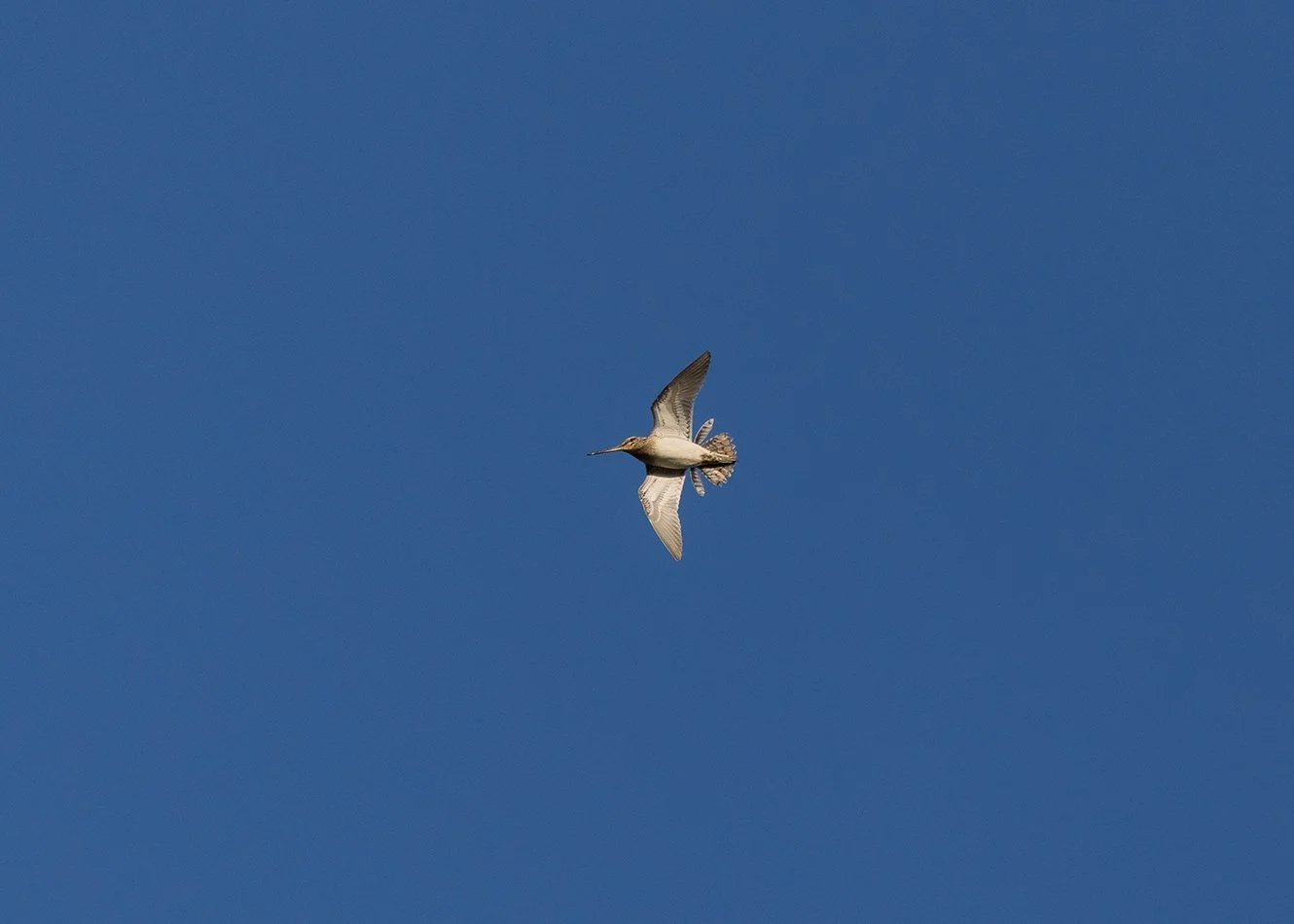
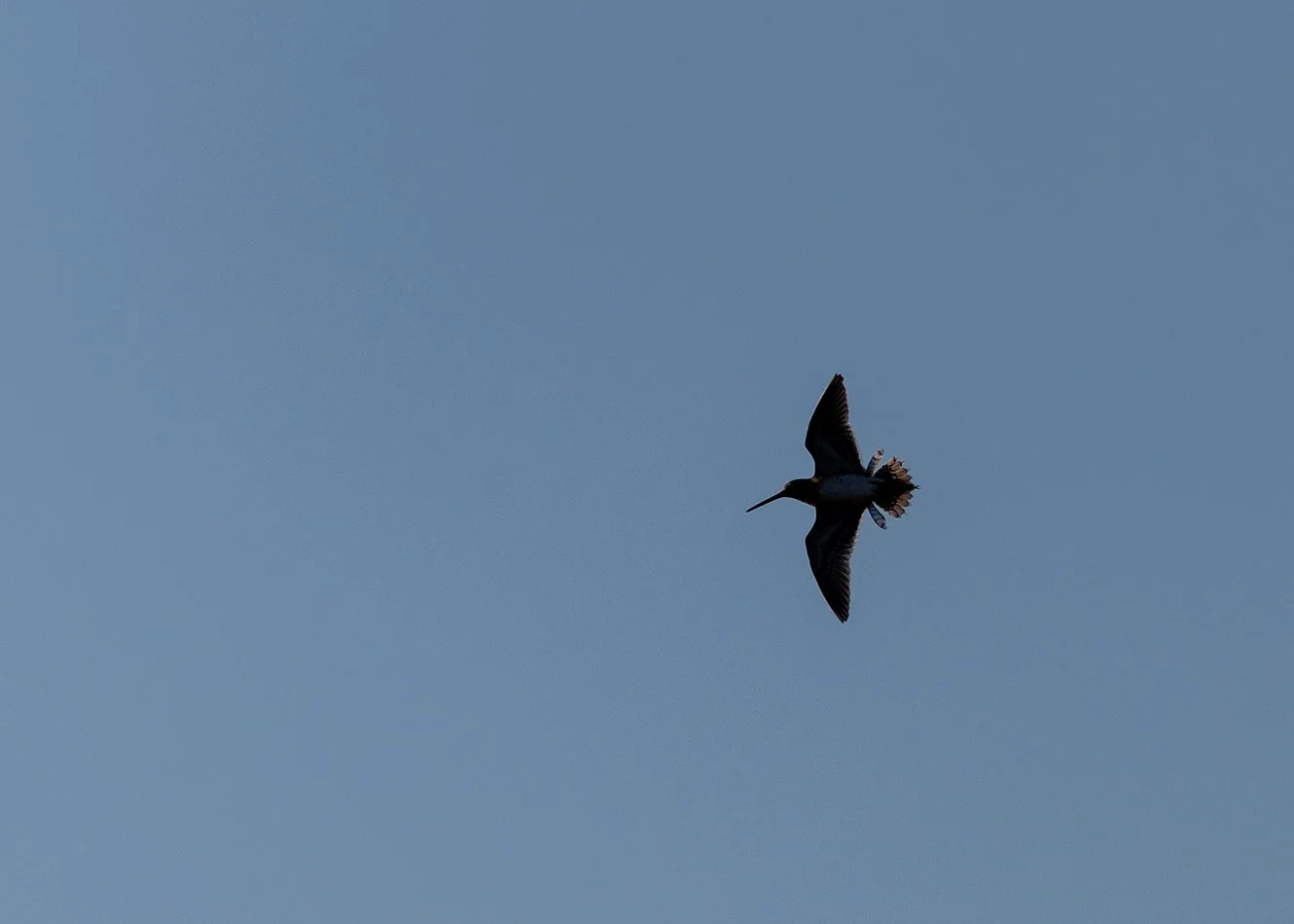
By May ground-nesting birds are in full breeding mode. Golden plovers whistle, red grouse gurgle and if we’re lucky we might even hear the essential sound of “drumming” snipe, a sound made by their tail feathers as they dive.
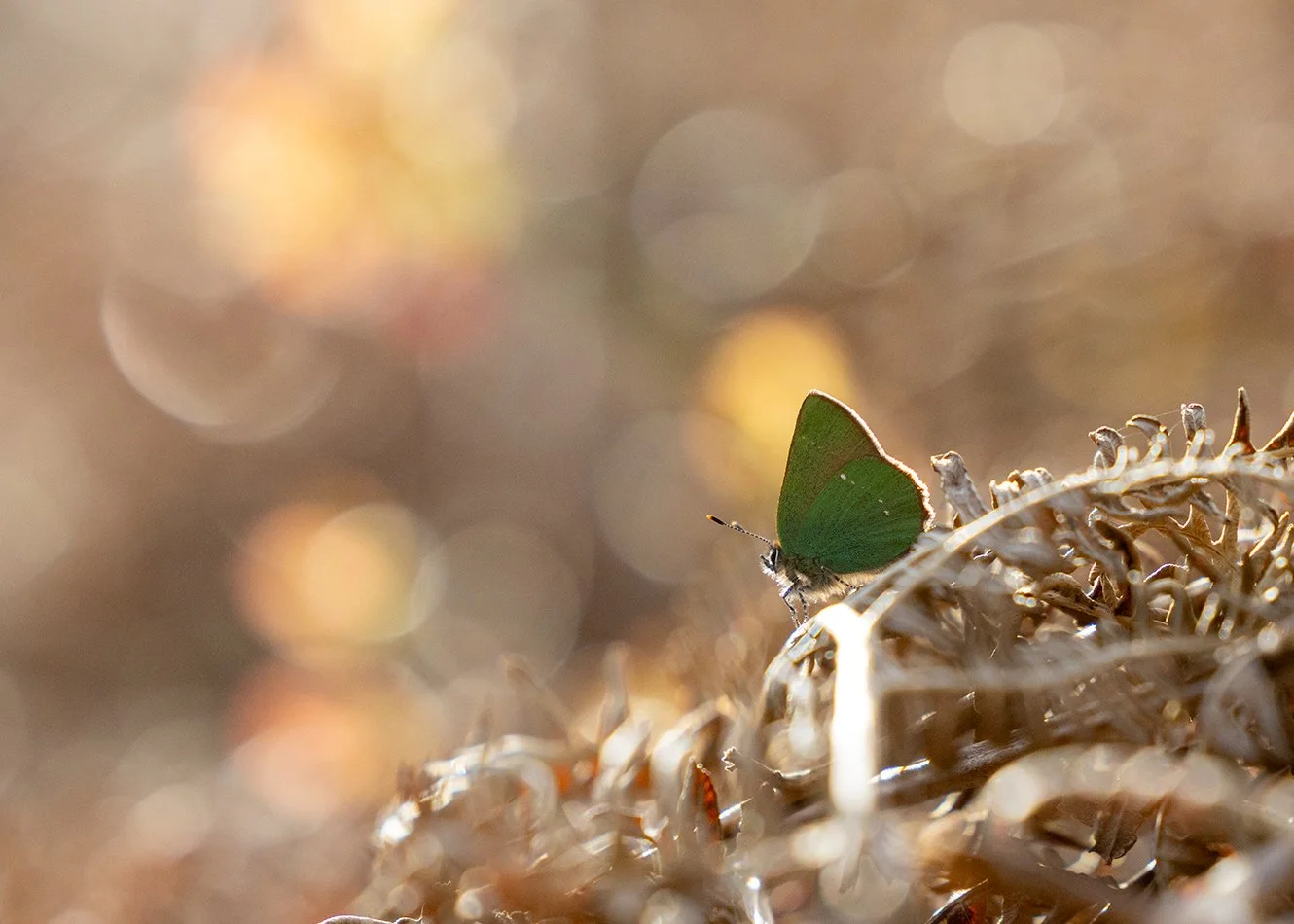
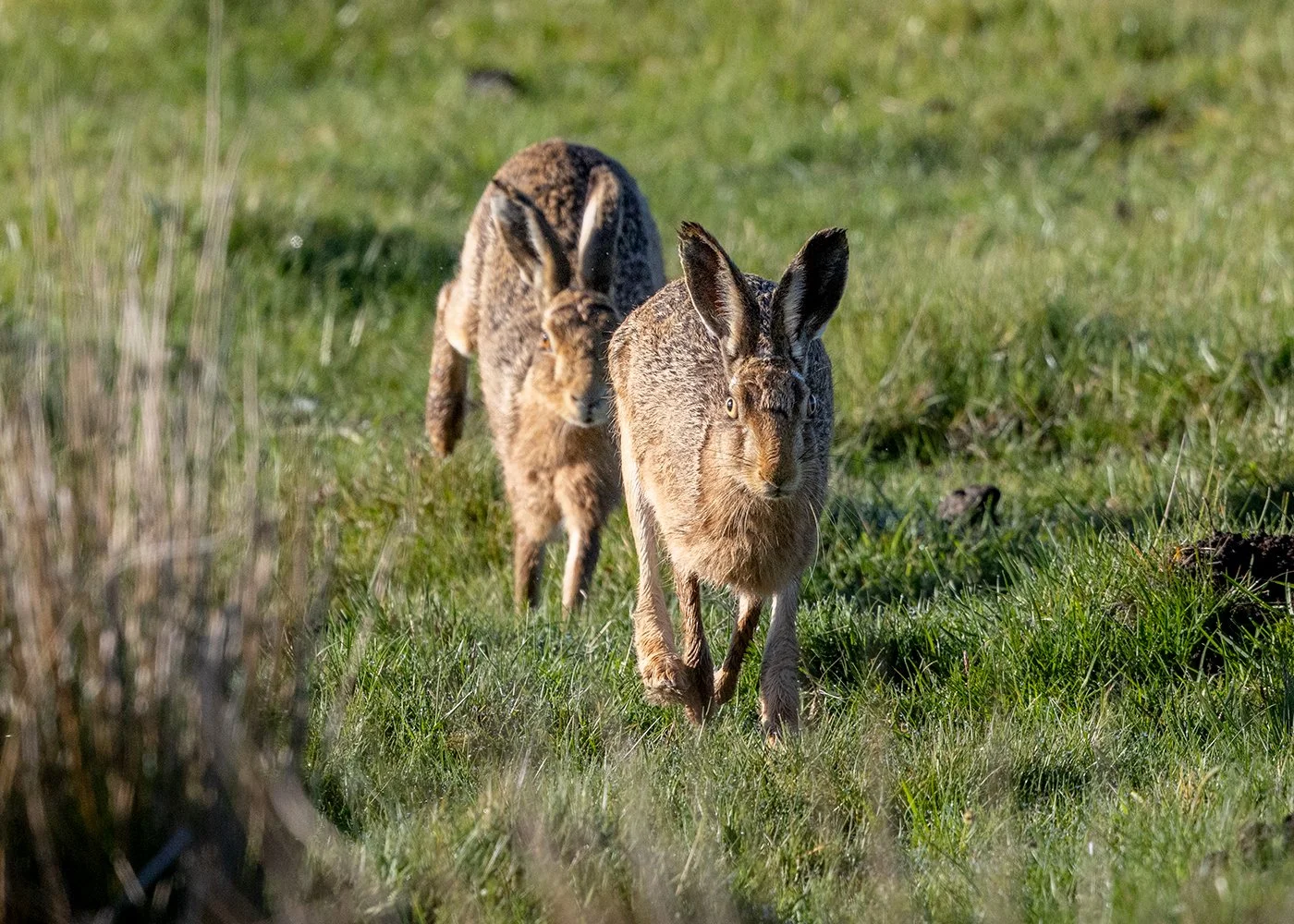
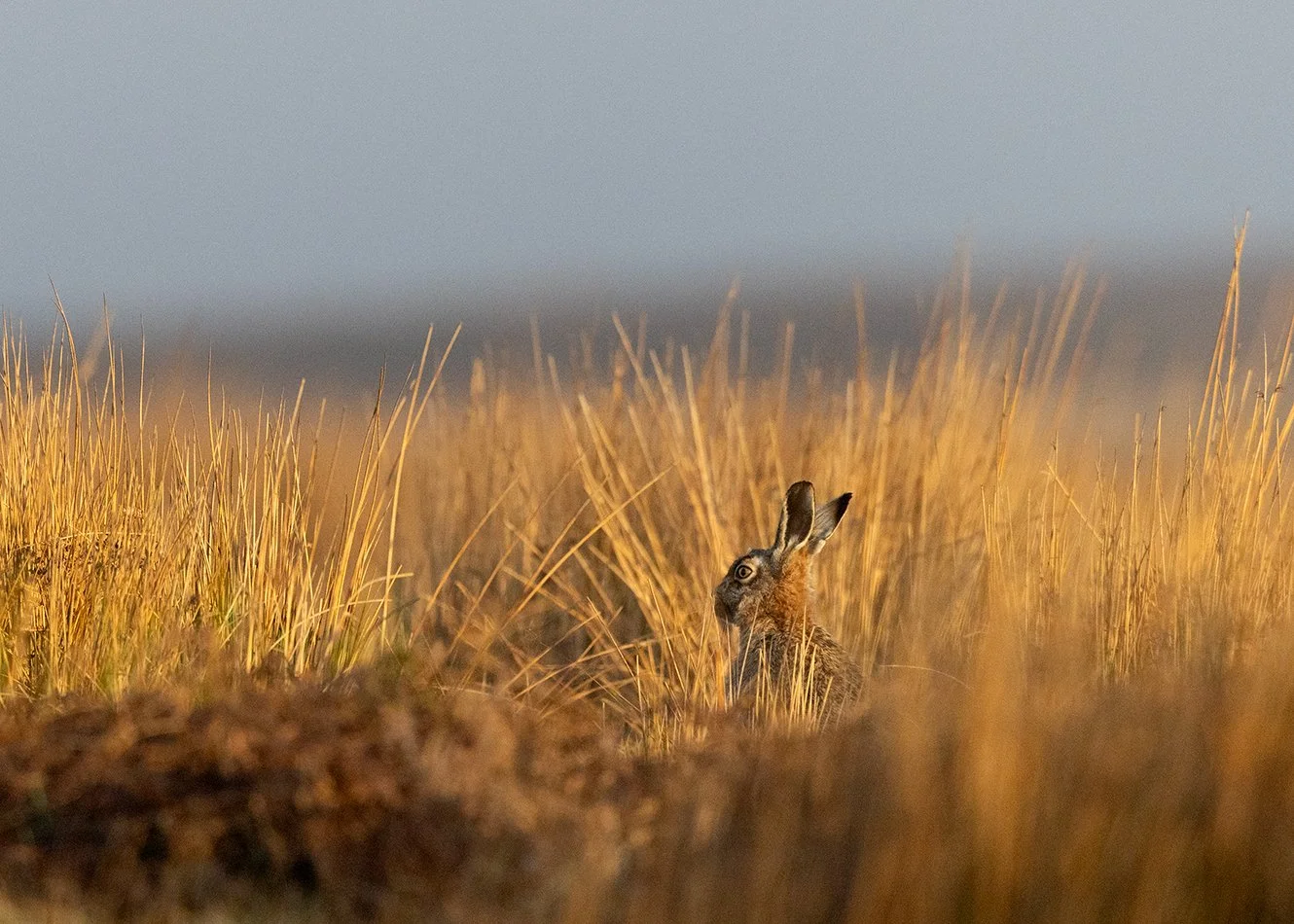
Other secrets this walk could uncover range from the tiny iridescent green hairstreak to the larger emperor moth, maybe even stumbling across a brown hare leveret.
As well as Cuckoo trying to sneak their egg into a hidden nest, the birds of prey keep us on our toes too. Kestrels hover over the heather, red kites and buzzards drift on the breeze, and a peregrine or sparrowhawk can shoot past at any moment. If we’re really lucky, a merlin (our smallest falcon) might dash low across the moor. We’ll watchout for barn and short-eared owls hunting over the rough grass and little owls perched on the drystone walls.
It’s nesting season, so we’ll keep to the paths and let fieldcraft and a little patience close the distance. Everyone learns differently, so the walk has a bit of everything:
You’ll see how I read the moor: where the curlews and plovers feed, where the owls hunt and how to pick out a hovering kestrel.
We’ll listen for the calls that give a bird away long before you spot it.
We’ll discuss and break down the settings that help keep birds in flight sharp as the light drops, rather than black silhouettes against a bright sky.
You’ll be doing plenty: walking, crouching low by the track and practising following birds in flight, with my one-to-one feedback as you go.
Wildlife keeps its own timetable, so I can’t promise every bird on the list, but the skills you gain will help on every moorland walk you take afterwards. Cameras are also available to hire, just let us know!