
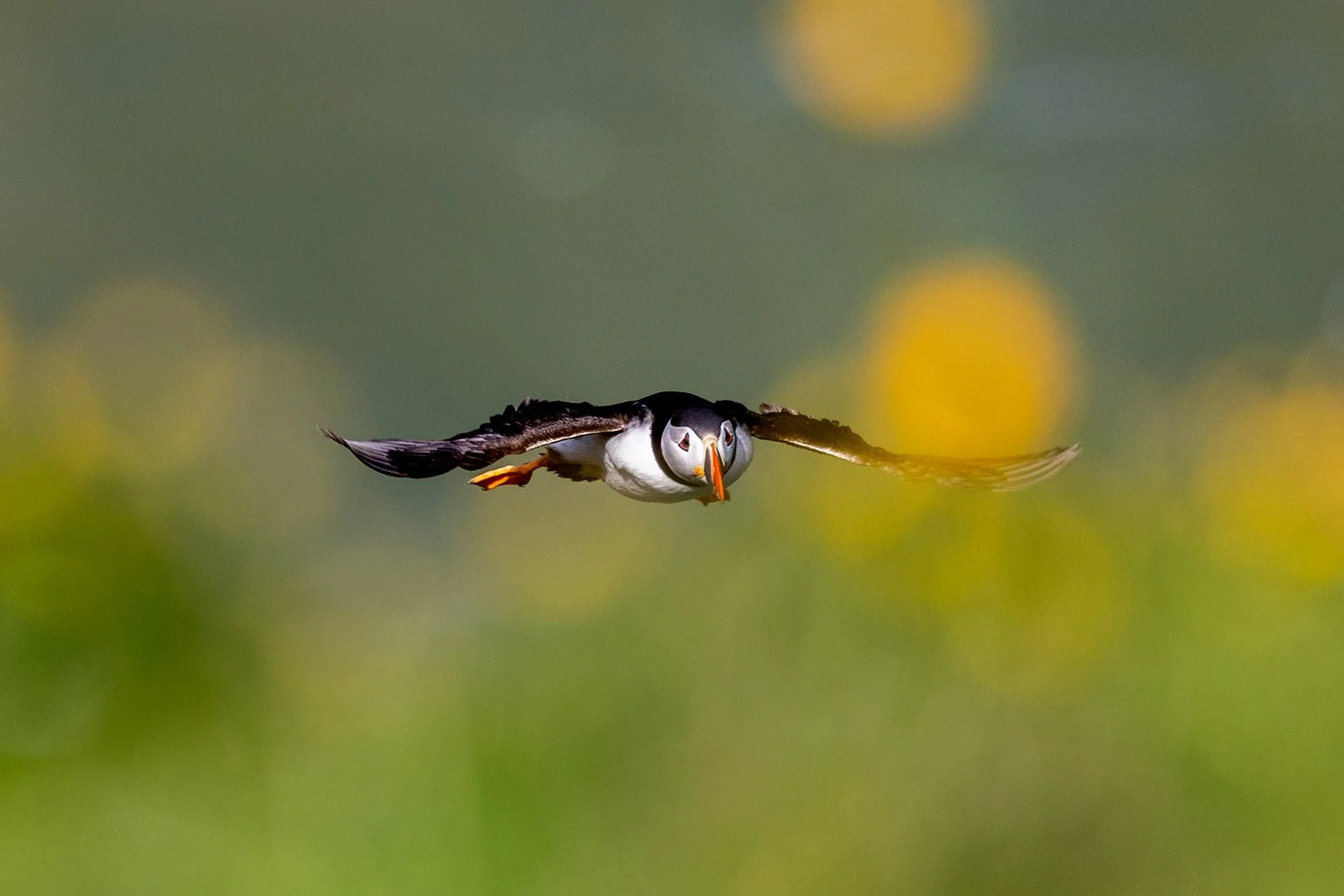
1/2500 f5.6 ISO 800
Stepping outside in June and you’ll see the world at it’s most fullest, bursting with life. Flowers are everywhere, spilling over garden walls, carpeting meadows and parks, even on busy roadside verges are erupting with flowers. Butterflies drift between blooms, and the air is bustling with the business of summer.
As the solstice approaches on the 21st, the light lingers long into the evening allowing everyone more time to explore with a camera. Whether you're in your own garden, visiting a formal flower show, or exploring a local park, June offers the best opportunity to get outdoors for some photography. Here are four themes to help you make the most of it.
Long Days: Light as a Storytelling Tool
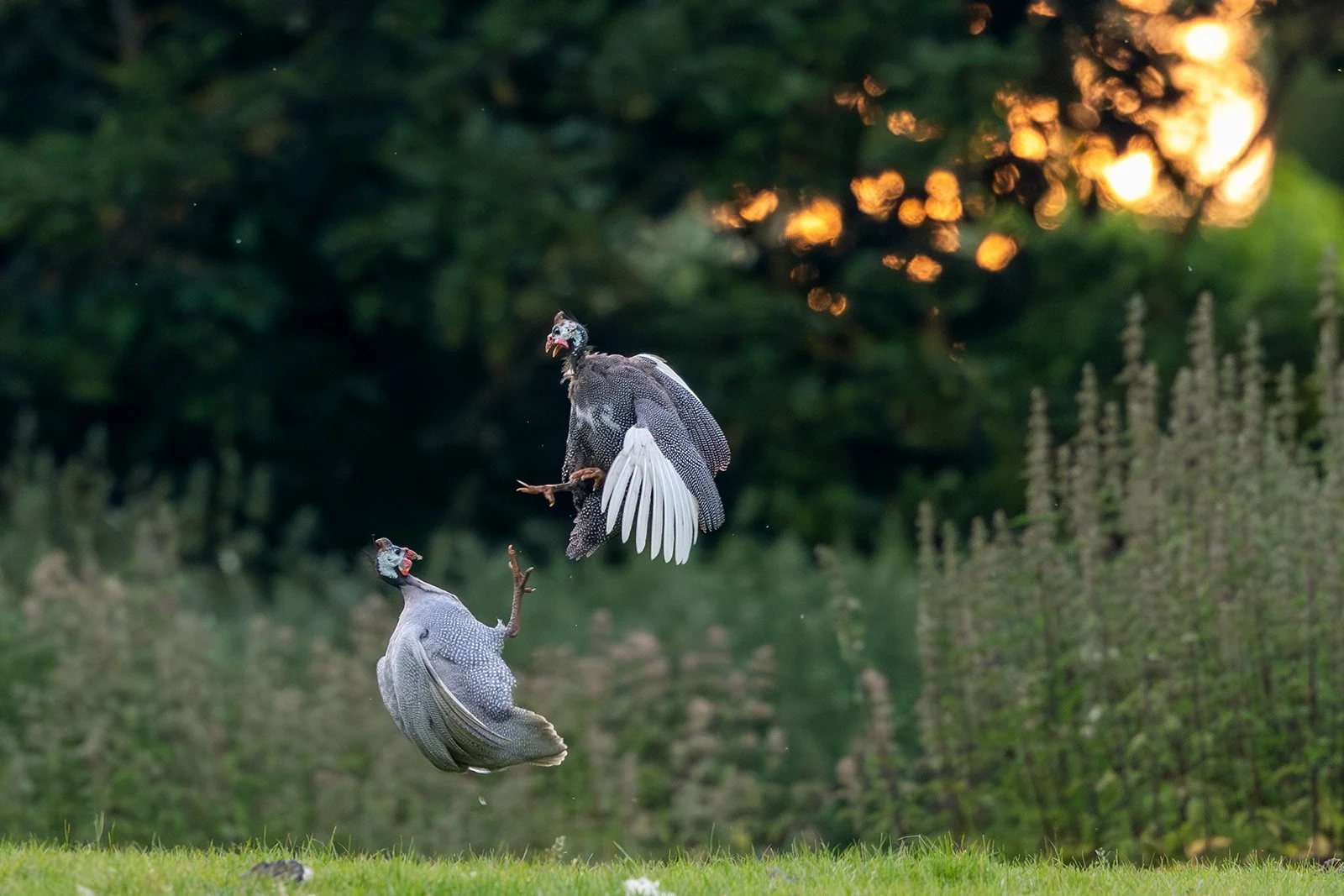
1/1000 f5.6 ISO 10,000
June's great gift to the photographer is time. Sunrise arrives before 4:30am across much of the UK, and the sun stays with us well past 9pm. But more important than the quantity of light is its quality and what it can do for the story you are trying to tell. Think of light not just as illumination, but as a narrative ingredient. The long, low shadows of a June evening transform an ordinary scenes into something almost theatrical they add depth, direction, and drama. The question worth asking before you press the shutter is: what does this light add to what I am saying?
- Chase the Shadows: Low morning and evening sun casts long, expressive shadows. Use them as compositional elements let a shadow lead the eye into the frame, or place a silhouette against a glowing sky to reduce a complex scene to its essentials.
- Subjects in Light: Watch how golden hour transforms the subjects around you. Rim light glowing around a child's hair, warm raking light catching the texture of a deer's ginger coat, a pair of gannets silhouetted on a rock, the light does much of the emotional work for you. Position yourself so the light is doing what you need it to do.
- The Middle of the Day: Harsh overhead sun is challenging, but not without potential. Seek out deep shade and the contrast at its edges, shoot upward through a woodland canopy, or embrace the graphic quality of high-contrast shadows on architecture. Knowing how to work in difficult light is what separates those who only shoot at golden hour from those who can find a photograph anywhere.
- The Blue Hour: Stay out after sunset. The window after the sun disappears is one of June's quieter secrets. A long, cool twilight with remarkable tonal range and a stillness that earlier in the day simply does not exist.
The Next Generation: Wildlife at its Most Dramatic (& Cute)
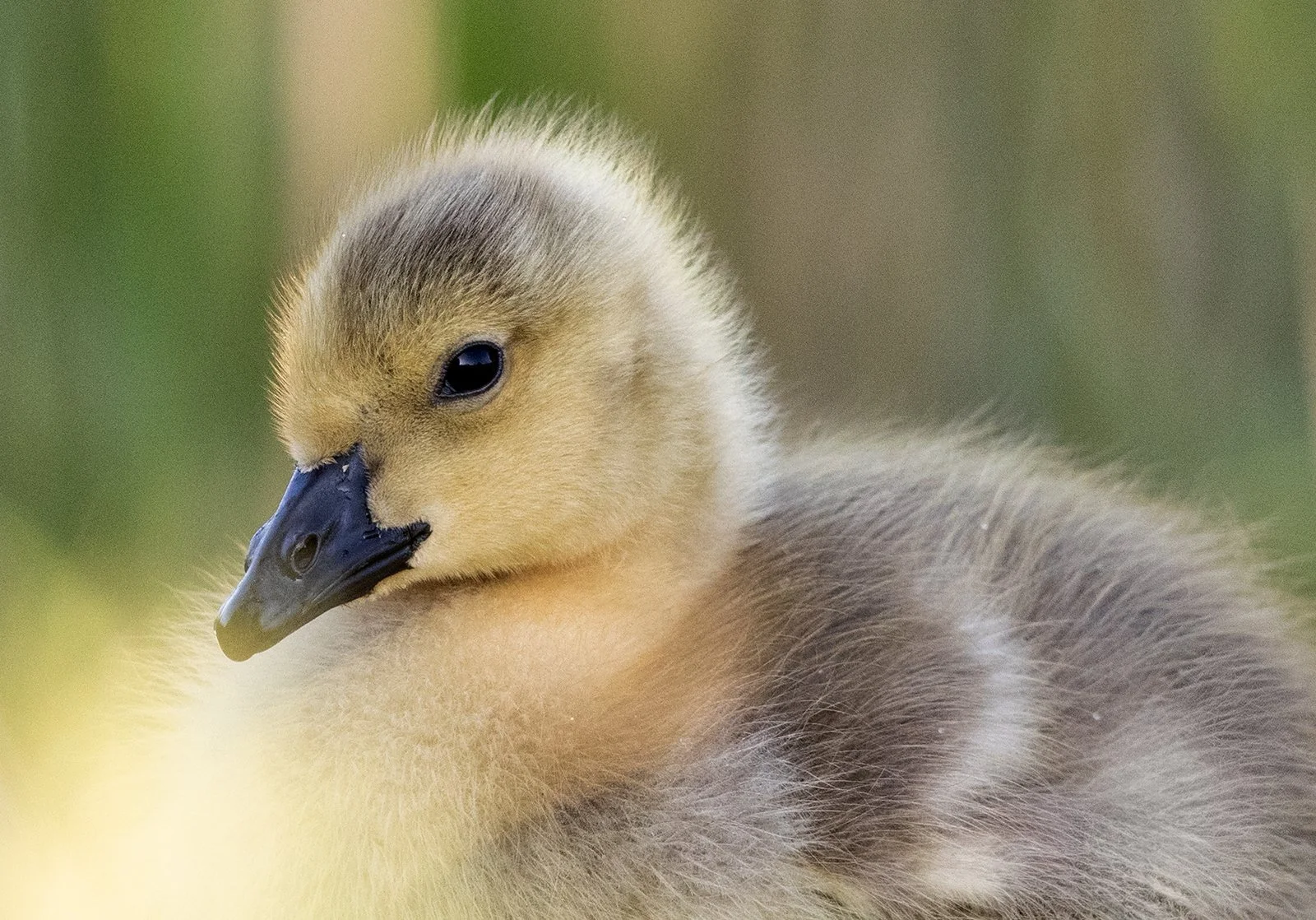
1/1000 f5.6 ISO 5000 (500mm)
If May was the month of nests and new beginnings, June is when the next generation jump headlong into the world. Fledgling birds are everywhere wide-eyed, and endlessly demanding of their exhausted parents. Fox cubs are venturing further from their earths, young leverets are beginning to explore, and deer fawns are making their first cautious steps through long vegetation. June wildlife photography is abundant, unpredictable, and technically demanding in the best possible way.
- Observe First, Shoot Second: The most important skill in wildlife photography is not a technical one it is observation. Before raising the camera, watch. Study the behaviour in front of you, learn habits. Understanding patterns and behaviour allows you to anticipate, and anticipation is what separates a lucky snapshot from a considered photograph.
- Visualise the Shot: Once you have identified behaviour and understand (as best you can) a habitat, try to compose the frame before the moment arrives. Pre-focus on the spot where the action will happen. A particular flower that a butterfly lingers while partrolling its territory, a branch a robin consistently returns to, a route through the grass that the local hares like to use, and wait. Having the composition ready means you are free to concentrate entirely on the timing while having already considered the best composition available.
- Technical Settings for Action: Wildlife can be fast and unpredictable. Set your camera to continuous autofocus (Servo on Canon, AF-C on Nikon/Sony), ensure any subject detection (for mirrorless cameras) is set appropriately and use a fast shutter speeds of at least 1/1000s for mammals, going up to 1/4000s for butterflies in flight and birds like kingfishers. And lean on your camera's burst mode.
- The Quiet Moment: Action is compelling, but so is stillness. A fledgling owlet alone on a branch, a fawn curled in the grass, a fox cub watching the world with wide eyes, these quieter images often carry the deepest emotional weight. Do not pack away when the activity stops.
Community: The People Behind the Places
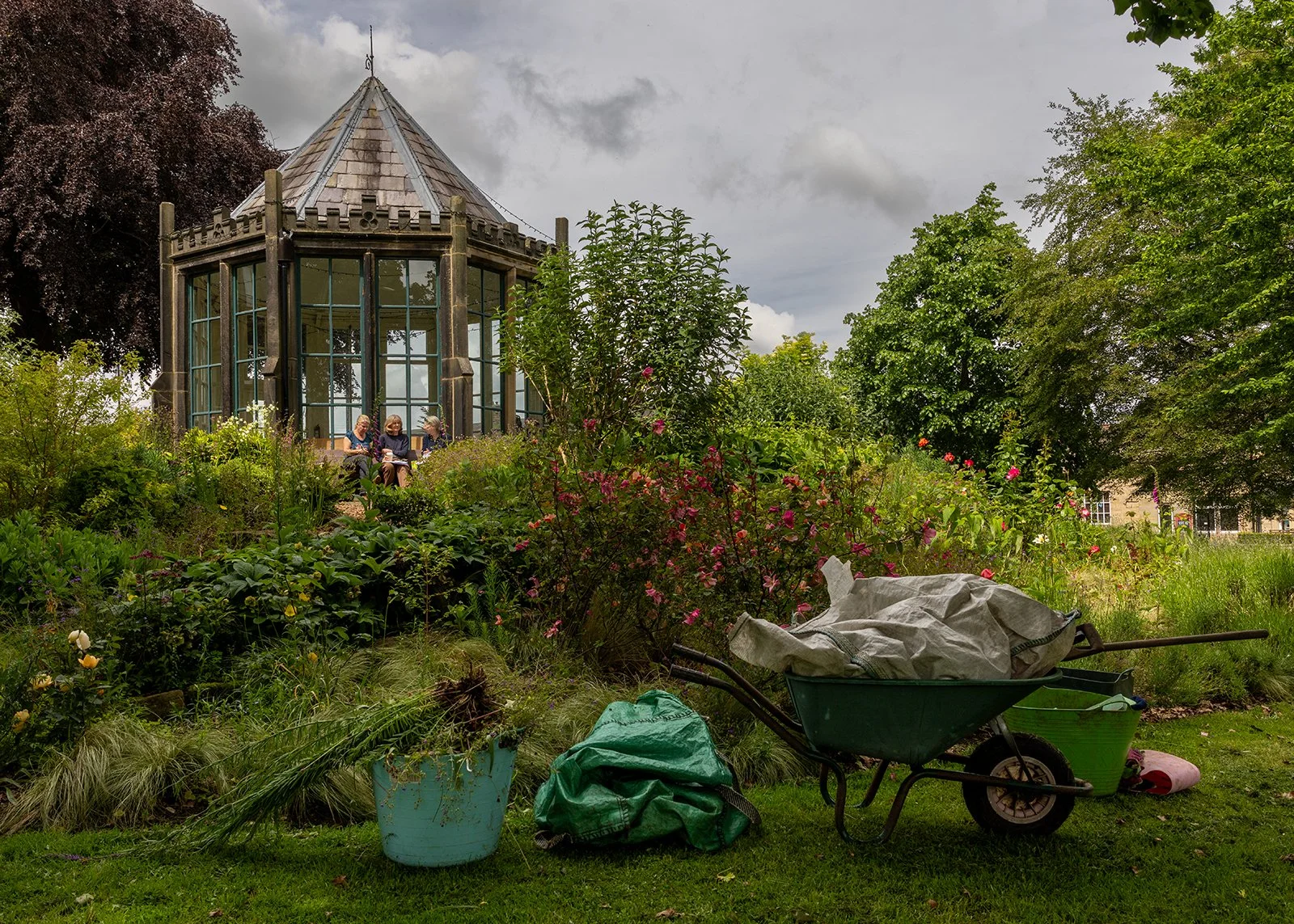
1/320 f9 ISO 100
June is when communities really start gathering outside. Village fêtes and street parties, open gardens and allotment days, park volunteers clearing paths and planting borders.
There is a quiet, generous industry happening all around us this month that often goes undocumented. Learning to photograph the people behind these places and events is one of the most rewarding challenges you can set yourself. Many photographers feel anxious about approaching strangers, and that is entirely understandable. But most community groups genuinely value good photography and are grateful when someone takes the time to record what they do. A brief, honest introduction is almost always met with warmth. And the confidence you build doing this will benefit every area of your photography, whatever your usual subjects.
- Tell the Story, Not Just the Scene: Ask questions, listen to the answers, photograph the stories of the volunteers and contribution they bring to their community
- The Details Matter: Alongside portraits and crowd shots, work close. Worn garden gloves on a trowel handle, a hand-lettered sign, bunting against a summer sky, a child's face at the moment they win a prize, these details are the texture of community life and they are easily missed.
- Natural Moments: Photography is all about natural moments, often this means putting in the time so people get used to you and in turn behave a that bit more naturally around you and crucially, your camera!
- Follow Up: Offer to share your images with the groups you photograph. Beyond being a generous thing to do, it builds relationships, opens doors for future projects, and reminds you that photography can be of genuine service to the community around you.
Wildflower Meadows: Be Experimental, Challenge Yourself
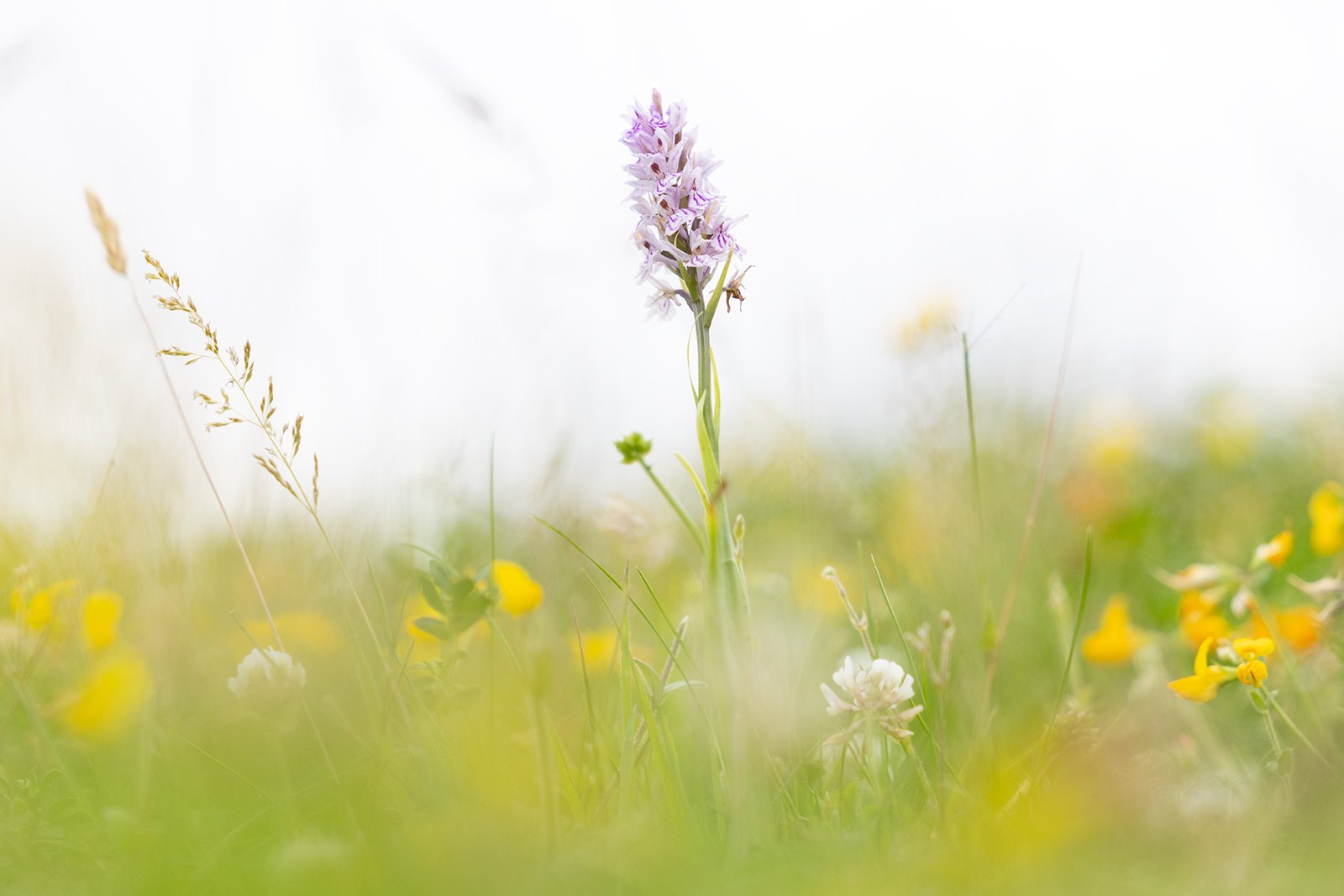
1/400 f2.8 ISO 400 (exposure comp. +2)
June is the optimum moment for wildflower photography in the UK. Ox-eye daisies, red clover, meadow cranesbill, knapweed, and field scabious are in full display, and wherever there are flowers, butterflies follow marbled whites, meadow browns, small skippers, and the brilliant flashes of red admiral and painted lady (which seem to be in good numbers this year!) . Set yourself the challenge of trying something genuinely different.
- Change Your Perspective Entirely: The danger with spectacular wildflower scenes is that it's all too easy to go into auto-pilot with the approach. Shoot up, shoot down, step back, get closer, Force yourself to angle the lens in a fresh and exciting way
- Butterflies: Fieldcraft Over Gear: You do not need specialist equipment to photograph butterflies well — you need to understand their behaviour. Butterflies bask in the morning sun before they feed; find a warm, sheltered spot early and wait. They return to favoured flowers repeatedly. Identify the flower they are using and pre-focus on it. Move slowly, approach from the side rather than directly in front, and watch your shadow, you may be surprised how close they will allow you.
- Go Abstract: Not every wildflower image needs to be a recognisable botanical record. Try deliberate camera movement (ICM) during a long exposure to create impressionistic streaks of colour. Or use a very wide aperture at close range and focus not on the flower but on a droplet of water on a petal. The meadow is a studio — use it to experiment freely.
- Overcast is Your Friend: Bright sun creates harsh shadows and can blow out delicate petals. A softly overcast day acts as a giant diffusion panel, revealing the full richness of petal colour and allowing you to capture fine detail, the veining of a wing, the texture of a seed head without fighting contrast.
Inspiration of the Month
Andrew Fusek Peters: Wonder on Your Doorstep
Wildlife photographer · OM System Brand Ambassador · Author of Butterfly Safari and Garden Safari
“While I was in the present, focused on such immediate wonder, I briefly forgot about the future. Here, in the moment, at 1/4000 of a second, was slipstreamed grace.”
— Andrew Fusek PetersFew photographers embody the spirit of a June garden quite like Andrew Fusek Peters. In 2018, having been diagnosed with a serious illness and awaiting surgery, he found himself confined to his back garden in Shropshire and it was there, among the painted ladies and small tortoiseshells working the flowers on warm afternoons, that a remarkable body of work began. He started trying to capture butterflies in flight. After countless blurred frames and false starts, something extraordinary emerged.
That back-garden project grew into Butterfly Safari, a landmark book documenting all 59 UK butterfly species including pioneering flight sequences and high-speed composites that show butterflies moving through the air with a grace and precision that had simply never been seen before. His follow-up, Garden Safari, turns the same attentive eye to the full cast of creatures that share our outdoor spaces: birds in flight, bees in motion, hedgehogs, badgers, foxes, and more. Together they make a quietly radical argument: that you do not need to travel far for extraordinary wildlife photography. The wonder is already there, right outside your door.
For the in-flight sequences that made his reputation, Peters' technique is rooted in fieldcraft as much as technology.
Explore Andrew's work at fusekphotos.com and look out for Butterfly Safari and Garden Safari, both published by Graffeg Books.
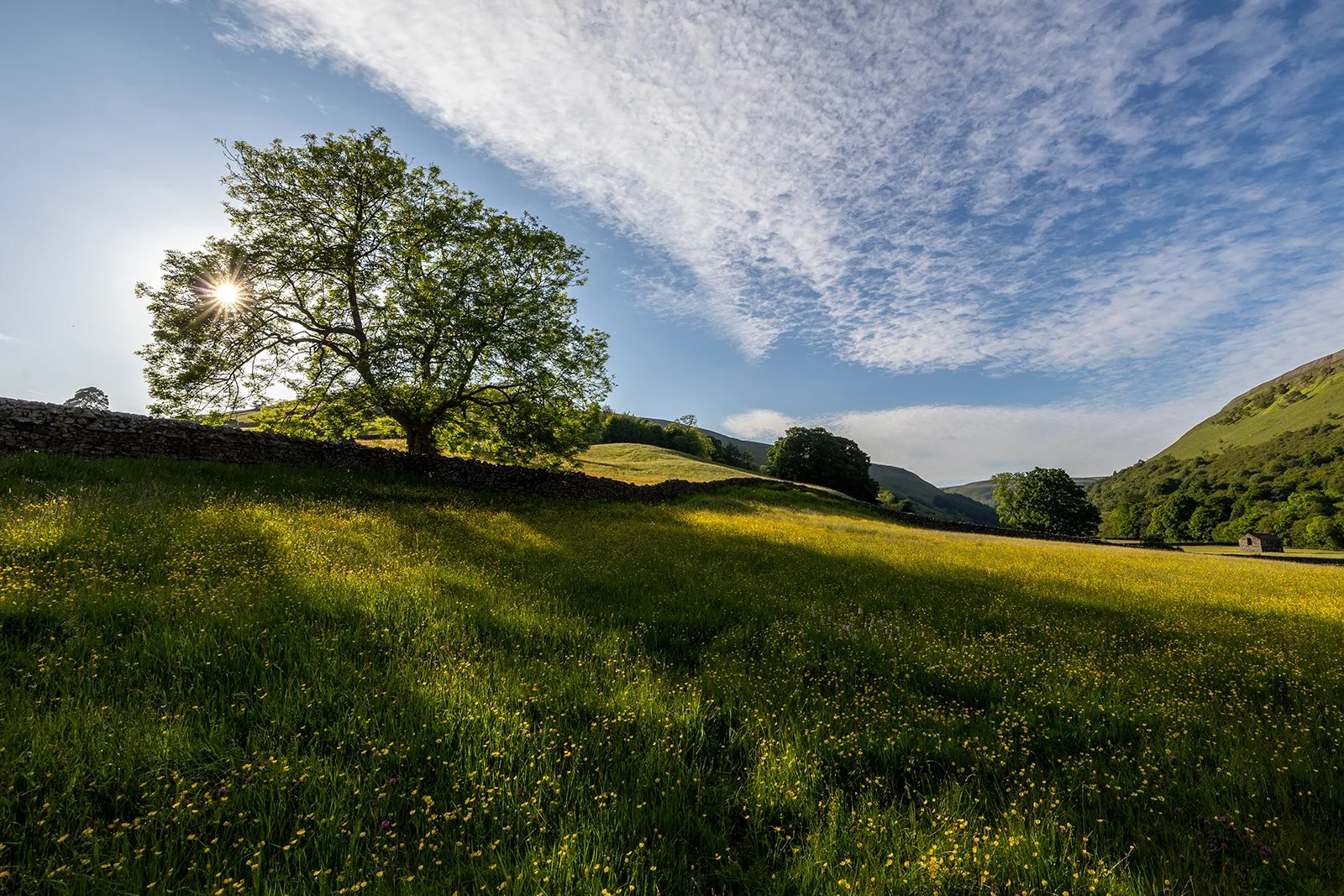
Muker
